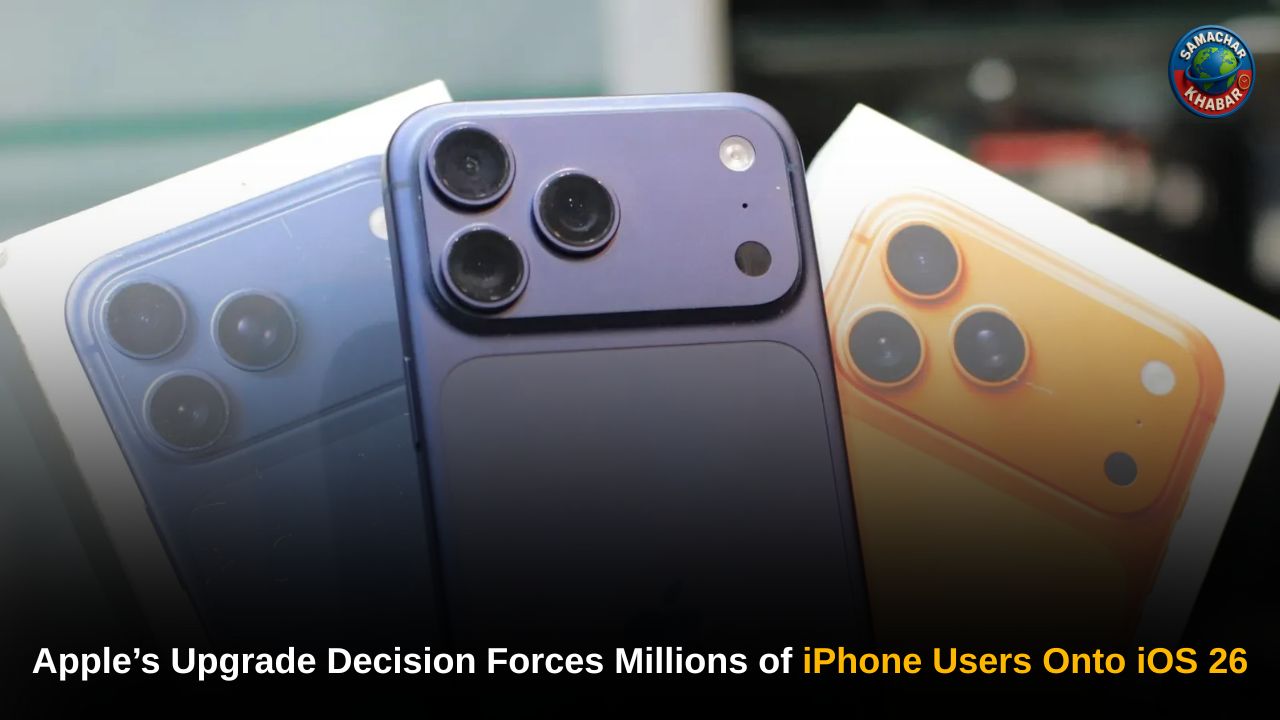
Apple has taken the unusual step of forcing hundreds of millions of iPhone users to upgrade to iOS 26, bypassing what many expected to be a final optional update in the iOS 18 series. The move follows Apple’s confirmation that iPhones are once again under active attack, with mercenary spyware detected in the wild.
Critical security fixes are now unavailable for most devices running iOS 18.7.2, leaving users with no option but to upgrade. The decision has triggered warnings from U.S. authorities and signals a shift in how Apple enforces security updates across its ecosystem.
Key Takeaways on Apple’s iOS Upgrade Decision
- Apple has forced users to upgrade from iOS 18.7.2 to iOS 26
- iOS 18.7.3 is not broadly available despite earlier expectations
- Apple has confirmed active spyware attacks targeting iPhones
- Critical fixes are limited to select older models only
- Analysts report at least 50% of users have not upgraded to iOS 26
- A U.S. government update warning has been issued
- iOS 26.3 is forecast to launch in late January, per 9to5Mac
Apple Forces a Shift Away From iOS 18
When Apple makes a decision, it typically follows through with conviction, particularly in areas involving security and privacy. That approach is now evident in its decision to force iPhone users who have avoided iOS 26 to upgrade.
Most users and analysts expected iOS 26.2 to be a final optional update for iPhones compatible with the new operating system. It was widely assumed that iOS 18.7.3 would remain available for all supported devices, allowing users to stay on iOS 18 while still receiving security fixes.
Also Read: The Official iOS 26 Release Date and Time in India is Here
This assumption initially appeared valid. During its beta phase, iOS 18.7.3 was flagged as available to all iPhones. That is no longer the case.
Apple has now restricted the availability of fixes, including critical security updates, to only three models: iPhone XS, iPhone XS Max, and iPhone XR. For the vast majority of users, remaining on iOS 18.7.2 means missing essential security protections.
Active Spyware Attacks Drive Apple’s Decision
Apple has confirmed that iPhones are again under active attack. The company has identified mercenary spyware operating in the wild, targeting specific users but with the capacity to spread more widely over time.
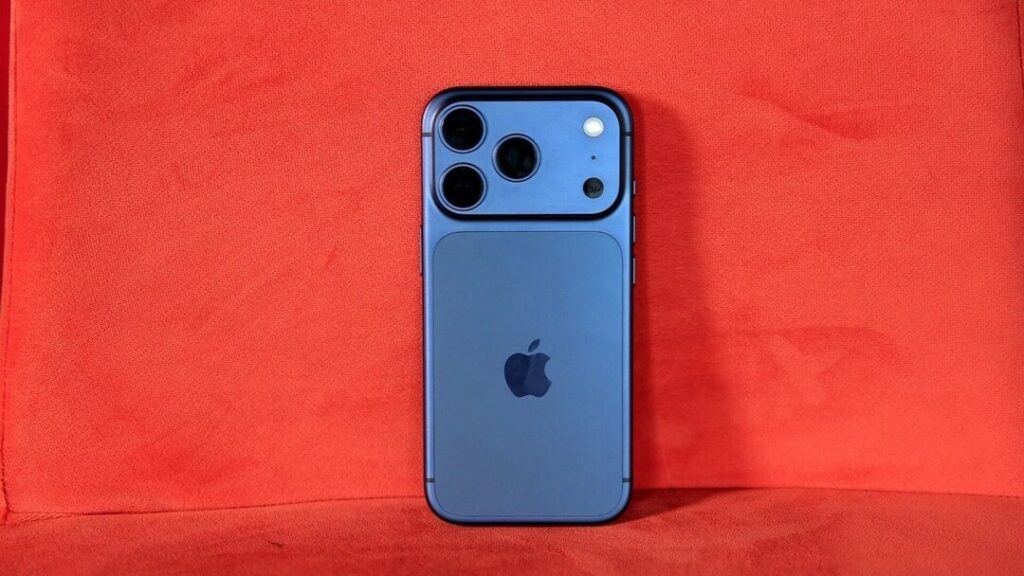
These attacks have elevated the urgency of Apple’s update strategy. The fixes withheld from iOS 18.7.2 are described as “critical,” underscoring the severity of the threat. The situation has also prompted a U.S. government update warning, reinforcing the risks associated with running outdated software.
Security firm Zimperium has highlighted the broader context, stating that “over 50% of mobile devices are running outdated OS versions” at any given time, affecting both iPhones and Android devices. Apple’s move reflects a growing concern about users delaying upgrades despite escalating risks.
Why iOS 18.7.3 Was Not Released Widely
The decision has surprised many observers. iOS 18.7.3 is coded for newer phones and could technically have been made available more broadly. Doing so would likely have accelerated the rollout of critical fixes across Apple’s ecosystem.
Also Read: Apple MacBook Air Vs Pro : Get Your Perfect Match
Instead, Apple chose to draw a hard line, forcing users onto iOS 26. This marks a shift from the company’s previous approach of supporting older operating systems with parallel security updates.
The move suggests Apple is prioritising ecosystem-wide security uniformity over user choice, particularly during periods of active exploitation.
Reluctance to Upgrade Remains High
Despite Apple’s push, there has been notable reluctance among users to upgrade to iOS 26. Several factors contribute to this hesitation, including storage limitations, user inertia, and mixed reactions to new design elements such as liquid glass.
There is no official data from Apple on iOS 26 adoption. However, analyst estimates indicate that at least 50% of iPhone users have not yet upgraded. Analysts also suggest that as few as 10% of users still operate iPhones that are ineligible for iOS 26, though the actual number is believed to be higher.
Even so, that figure remains significantly lower than the number of devices still running iOS 18, reinforcing Apple’s urgency in enforcing the transition.
Security Enhancements Introduced With iOS 26
Apple has cited several security-related improvements in iOS 26 as reasons not to delay upgrading. The update introduces stronger default protections against Google fingerprinting in Safari.
It also includes new defences against dangerous wired connections, addressing attack vectors previously flagged by the Transportation Security Administration (TSA). Additionally, iOS 26 brings anti-scam protections to iPhone calls and messages for the first time.
These features represent a shift toward more proactive security measures baked directly into the operating system.
iOS 26.3 Update Expected in January
No sooner have users been pushed to abandon iOS 18.7.2 for iOS 26.2 than another update is already on the horizon.
According to 9to5Mac, if Apple follows its established release pattern, iOS 26.3 is expected to launch in late January. Monday, January 26, is cited as the most likely release date, though the update could arrive a day later that same week.
Also Read: AI Smartphone User Experience को बदल रहा है: Apple, Realme और अन्य Mobiles
Users who want early access can join Apple’s public beta programme. iOS 26.3 is expected to include the usual array of security vulnerability fixes.
Background Security Updates Remain Unclear
One unresolved question is when Apple will deploy its new background security update system. This mechanism allows Apple to push critical fixes without user interaction and potentially without requiring a restart.
Given the actively exploited vulnerabilities detected in December, some expected Apple to use this system immediately. Instead, the company opted for a full mainstream update, leaving the background update feature unused for now.
What Apple’s Decision Signals for Users
Apple’s decision places users firmly on what many describe as the iOS 26 treadmill. This means receiving not only security patches but also regular feature updates.
Sticking with iOS 18.7.2 and avoiding fixes is no longer presented as a viable option. With security threats escalating and update cycles accelerating, Apple is signalling that long-term support for older versions will be increasingly limited.
Technology Updates, Spiritual Awareness
As technology continues to evolve through constant updates aimed at protection and safety, it also highlights an important reality: even the most advanced systems have limits. No level of technological progress can answer the fundamental question of who the Supreme God truly is. For that understanding, spiritual traditions emphasise the need for guidance from a Tatvdarshi Sant.
It is believed that in the present world, filled with confusion and suffering, true clarity comes through following the scripturally guided path shown by the Saint sent by Supreme God Kabir Sahib. By practising the true devotion and mantras given according to scriptures by Tatvdarshi Sant Rampal Ji Maharaj, one gradually attains spiritual benefit and the ultimate state described in sacred texts.
FAQs on Apple’s Upgrade Decision: Hundreds Of Millions Of iPhones Affected
Q1. Why is Apple forcing users to upgrade to iOS 26?
Apple confirmed active spyware attacks and restricted critical security fixes, leaving users no safe option on iOS 18.7.2.
Q2. Is iOS 18.7.3 available for all iPhones?
No. Fixes are limited to iPhone XS, XS Max, and XR only.
Q3. How many users have not upgraded to iOS 26?
Analysts estimate at least 50% of users have yet to upgrade.
Q4. When is iOS 26.3 expected to launch?
Per 9to5Mac, iOS 26.3 is expected in late January, likely January 26.
Q5. What risks come with staying on iOS 18.7.2?
Users miss critical security fixes amid confirmed active spyware threats.