Technology has become an inseparable part of modern human life. In today’s fast-moving world, it is almost impossible to imagine a single day without the use of technology. From early morning alarms to late-night entertainment, technology surrounds us at every step. Mobile phones, the internet, smart devices, and digital platforms guide, support, and sometimes even influence our daily routines.
In earlier times, life was simpler and slower. People woke up with the sunrise, worked with physical effort, communicated face to face, and depended on limited information sources like newspapers, radio, or word of mouth. Daily activities required more time and patience. Today, technology has completely transformed this lifestyle. With just one smartphone, people can manage work, education, shopping, banking, entertainment, travel, and social relationships.
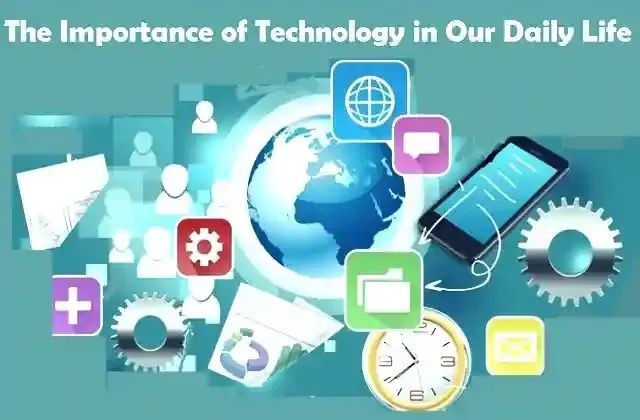
This news article explains how technology has changed daily routines, highlighting its advantages, disadvantages, and long-term impact on individuals and society in clear and simple words.
Morning Routine: Technology Begins the Day
For most people, technology starts influencing their routine from the very first moment of the day. Traditional alarm clocks have been replaced by smartphone alarms. Many people also use smartwatches or fitness bands that track sleep patterns and suggest the best time to wake up.

After waking up, checking the mobile phone has become a common habit. People check messages, missed calls, emails, social media notifications, and news updates. Weather apps help people decide on clothing choices and travel plans for the day. Reminder apps and digital calendars organize tasks, meetings, and deadlines.
While technology saves time and increases efficiency in the morning, it also creates screen dependency. Starting the day with mobile screens can increase stress and reduce mindfulness. Experts often suggest limiting phone usage in the early morning to maintain mental peace.
Communication: Instant and Global
Communication is one of the most affected areas due to technology. Earlier, people relied on handwritten letters, telegrams, and landline phones. Messages took days or even weeks to reach. Today, communication is instant and global.
Messaging apps, emails, and social media platforms allow people to connect within seconds. Video calls enable face-to-face conversations even when people are thousands of kilometers apart. Families living in different cities or countries can stay connected easily.
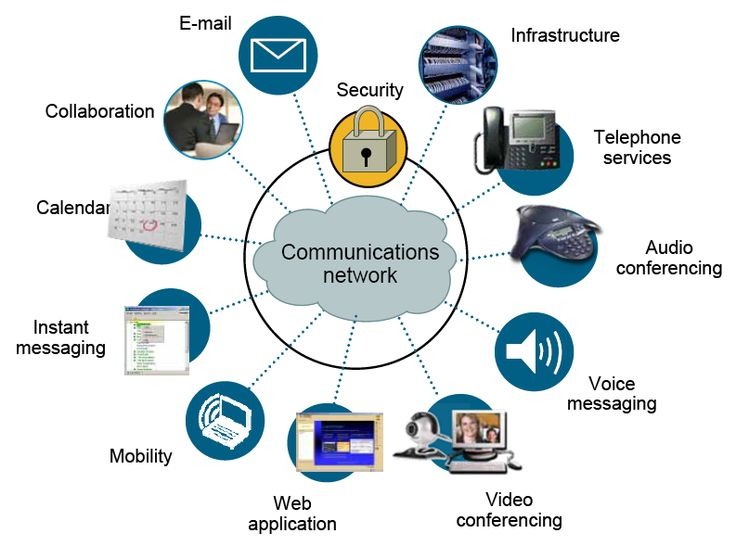
This has strengthened long-distance relationships and improved professional communication. However, excessive digital communication has reduced real-life conversations. People often sit together but remain busy on their phones. Emotional bonding and deep conversations have decreased creating gaps in personal relationships.
Work Life: Digital Offices and Remote Jobs
Technology has brought a major transformation in work routines. Computers, the internet, and software tools have replaced paperwork and manual calculations. Offices are now mostly digital, with files stored online and meetings conducted virtually.
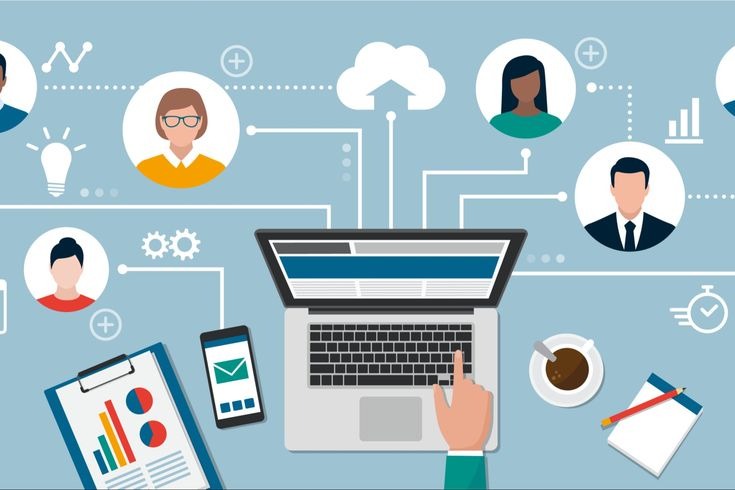
Work-from-home culture has become common, especially after global events like the COVID-19 pandemic. Online meeting platforms, cloud storage, and collaboration tools allow employees to work from anywhere. This has saved travel time, reduced expenses, and increased flexibility.
Also Read: ChatGPT Introduces ‘ChatGPT Health’ With Enhanced Privacy and Physician-Guided Intelligence
However, remote work has also increased screen time and reduced social interaction. Many employees struggle with work-life balance as office work enters personal time. Continuous online availability often leads to stress and burnout.
Education: Learning Through Technology
Education has experienced massive changes due to technological advancements. Traditional classrooms are now supported by online learning platforms. Students use digital notes, educational apps, e-books, and recorded lectures for learning.
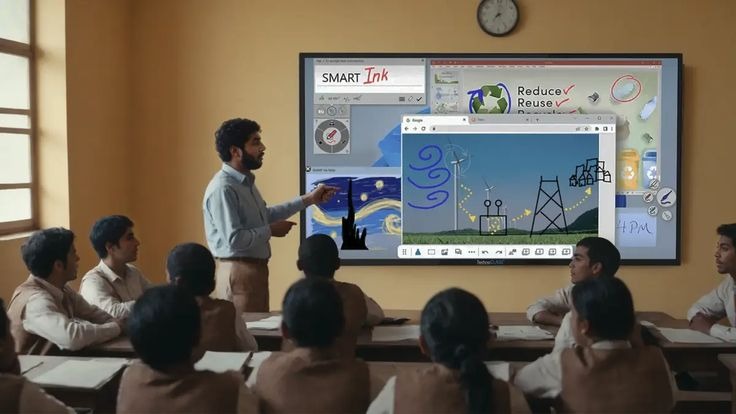
Online classes allow students to learn from the comfort of their homes. They can study at their own pace and access global knowledge easily. Competitive exam preparation, skill development courses, and professional certifications are now available online.
However, technology-based education also has challenges. Poor internet connectivity, lack of discipline, reduced concentration, and excessive screen time affect students negatively. Teachers and parents must guide students to use technology responsibly.
Household Routine: Smart Living
Technology has simplified household routines significantly. Appliances like washing machines, mixers, microwaves, refrigerators, and vacuum cleaners save time and physical effort. Tasks that once took hours can now be completed in minutes.
Smart home technology allows people to control lights, fans, air conditioners, security cameras, and door locks through mobile apps. This increases comfort, safety, and energy efficiency.
At the same time, overdependence on machines can reduce physical activity and basic life skills. Power cuts or technical failures can disrupt daily life, showing the importance of balance.
Shopping and Payments: Digital Convenience
Shopping habits have completely changed due to technology. Online shopping platforms allow people to buy groceries, clothes, medicines, electronics, and household items from home. Product comparisons, customer reviews, and home delivery make shopping easier.
Digital payments through UPI, debit cards, credit cards, and wallets have reduced the need for cash. Transactions are fast, safe, and transparent when proper security measures are followed. Long queues at banks and shops are slowly disappearing.
However, online fraud, data theft, and overspending are growing concerns. People must stay alert and financially disciplined while using digital services.
Travel and Navigation:
Technology has made traveling more convenient and organized. Navigation apps guide people accurately while driving or walking. Real-time traffic updates help avoid delays.
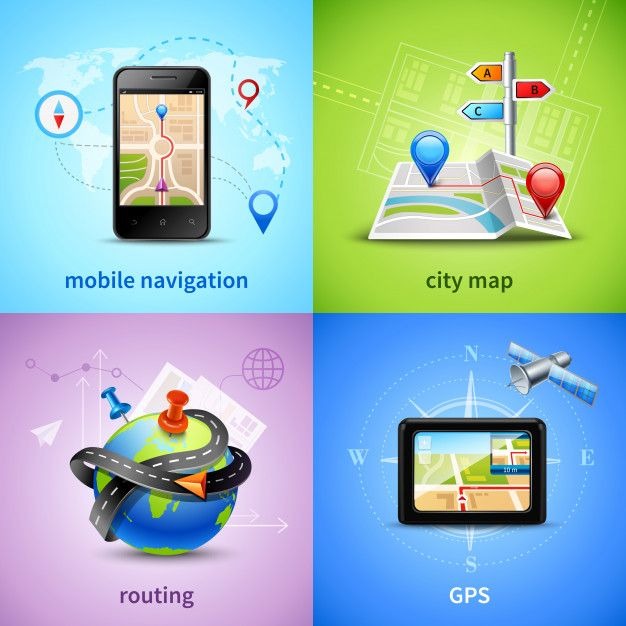
Image: Role of technology in travelling and navigation
Online ticket booking, hotel reservations, and travel planning apps have reduced the need for travel agents. Ride-booking apps have improved urban transportation and provided employment opportunities.
At the same time, traditional transport services face competition, and overreliance on navigation apps reduces natural direction skills.
Health and Fitness:
Technology has increased awareness about health and fitness. Fitness apps track steps, calories, heart rate, and sleep patterns. Smart devices motivate people to exercise regularly.
Online doctor consultations and digital health records allow people to access medical advice easily. This is especially helpful for elderly people and those living in remote areas.
However, excessive screen time causes eye strain, back pain, sleep disorders, and mental stress. A sedentary lifestyle supported by technology can lead to obesity and lifestyle diseases. Balanced usage is essential for good health.
Entertainment: Digital Fun
Entertainment routines have changed completely. Streaming platforms allow people to watch movies, series, and documentaries anytime. Music apps provide unlimited access to songs and podcasts.
Online games and social media platforms offer instant entertainment. While these platforms help relax the mind, excessive use leads to addiction and loss of productivity. Many people spend hours scrolling without realizing how much time they have lost.
Social Life and Culture:
Technology has reshaped social interactions and cultural practices. Online friendships and virtual communities have increased. People connect with others who share similar interests across the world.
Cultural exchange has become faster. Global trends in fashion, food, and lifestyle spread quickly. However, this sometimes reduces the importance of local traditions and values.
Social media also creates pressure to appear perfect, affecting self-esteem and mental health, especially among youth.
Impact on Children and Elderly
Children today grow up surrounded by technology. Educational apps support learning, but excessive screen time affects physical activity, eyesight, and social skills.
For elderly people, technology provides health monitoring, emergency support, and communication with family members. However, lack of digital literacy creates difficulties. Teaching basic digital skills to senior citizens is important for digital inclusion.
Work-Life Balance:
Technology has blurred the line between work and personal life. Smartphones keep people connected to work even after office hours. Notifications and emails interrupt personal time.
While flexibility has increased, mental stress and burnout are rising. Learning to disconnect, setting digital boundaries, and maintaining offline time are essential for mental peace.
Future of Daily Routines:
In the future, technology will play an even bigger role in daily routines. Artificial intelligence, automation, smart cities, and digital assistants will further simplify life.
However, ethical use of technology, emotional well-being, and human values will remain important. Technology should support life, not control it.
Final Thoughts
Technology has changed daily routines in powerful and lasting ways. It has made life faster, smarter, and more connected. Tasks that once required effort and time are now completed instantly.
However, overdependence on technology creates physical, mental, and social challenges. The key lies in balanced usage. When technology is used wisely, it improves quality of life. When misused, it causes stress and disconnection.
A thoughtful and disciplined approach to technology is essential for a healthy, peaceful, and happy life in the digital age.
Role of Sant Rampal Ji Maharaj in use of technology:
In the modern age, where technology strongly influences daily routines, the teachings of Sant Rampal Ji Maharaj play an important guiding role in showing how technology should be used wisely and ethically. He explains that technology is a tool meant to support human life, not control it.
Through his spiritual knowledge and books like Gyan Ganga and Way of Living, Sant Rampal Ji Maharaj encourages people to use technology for learning, self-improvement, social awareness, and spreading true knowledge, while avoiding misuse such as addiction, immoral content, and time waste.
His teachings promote discipline, simple living, and balanced use of digital devices so that technology helps in mental peace, moral development, and a meaningful life rather than causing stress and distraction. Such guidance helps society benefit from technology without losing human values.
FAQs on Daily Routines:
How has technology changed daily routines?
Technology has changed how people wake up, work, study, communicate, shop, and relax by making tasks faster and easier.
Is technology good or bad for daily life?
Technology is good when used wisely. Overuse can cause health issues, stress, and reduced social interaction.
How does technology affect students?
It helps learning through online education but also increases screen time and reduces physical activity.
How does technology help working people?
Technology allows remote work, saves time, increases productivity, and provides flexibility.
What is the future impact of technology on daily routines?
Future routines will be more automated and digital, but balanced and ethical use will be necessary.