Impact of Social Media on Youth: In the last two decades, social media has changed the way people communicate, think, learn, and live. Platforms like Facebook, Instagram, YouTube, WhatsApp, Snapchat, and X (Twitter) have become an important part of daily life, especially for young people. Today’s youth spend a significant amount of time scrolling, posting, liking, sharing, and commenting on social media. For many, social media is the first thing they check in the morning and the last thing they see before going to sleep.
Youth is the most energetic and sensitive stage of life. It is the time when personality, mindset, values, and goals are shaped. Social media plays a powerful role in influencing youth behavior, opinions, emotions, and lifestyle. While social media offers many benefits like learning opportunities, global connectivity, and self-expression, it also brings serious challenges such as addiction, mental health issues, misinformation, cyberbullying, and loss of real-life social skills.
This news article explores the impact of social media on youth, covering both its positive and negative effects, its influence on education, mental health, relationships, culture, career choices, and the future of society.
Rise of Social Media Among Youth:
The rapid growth of smartphones and affordable internet has made social media accessible to almost everyone. Young people, including teenagers and college students, are the largest users of social media platforms. According to various surveys, most youths spend between 3 to 7 hours daily on social media.
Several reasons explain why social media attracts youth so strongly:
- Easy communication with friends and family
- Entertainment through videos, reels, memes, and games
- Desire for popularity, likes, and followers
- Platform to express opinions and creativity
- Access to news, trends, and global events
- Social media has become more than a tool, it has turned into a lifestyle for many young people.
- Positive Impact of Social Media on Youth
Easy Communication and Connectivity:
One of the biggest advantages of social media is instant communication. Young people can connect with friends, relatives, teachers, and even strangers across the world. Long-distance relationships have become easier to maintain through video calls, messages, and social platforms.
Social media also helps young people feel connected and less lonely, especially during difficult times such as pandemics, lockdowns, or personal struggles.
Access to Information and Awareness:
Social media has become a major source of information. Youth can easily access news, educational content, awareness campaigns, and global updates. Topics like climate change, mental health, social justice, women’s rights, and technology trends are widely discussed on social platforms.
Educational pages, channels, and influencers share useful content related to:
- Competitive exams
- Career guidance
- Skill development
- Health and fitness
- Personal growth
This easy availability of information has increased awareness among youth.
Learning and Educational Benefits:
Social media is no longer limited to entertainment. Platforms like YouTube, LinkedIn, Telegram, and Instagram provide educational content in simple and creative formats. Many students use social media for:
- Online classes and lectures
- Exam preparation
- Doubt-solving groups
- Sharing notes and resources
Students from rural and underprivileged backgrounds especially benefit from free educational content available online.
Creativity and Self-Expression:
Social media provides a powerful platform for youth to express themselves. Many young people showcase their talents in:
- Singing and dancing
- Writing and poetry
- Photography and videography
- Art and design
- Public speaking
Talented youth can gain recognition without traditional barriers. Many content creators have turned their hobbies into careers through social media.
Career and Business Opportunities:
Social media has opened new career paths for youth. Influencer marketing, digital marketing, content creation, freelance work, and online businesses are growing rapidly.
Young entrepreneurs use social media to:
- Promote small businesses
- Sell products and services
- Build personal brands
- Network with professionals
Platforms like LinkedIn help youth connect with industry experts and find job opportunities.
Negative Impact of Social Media on Youth
Despite its benefits, social media also has serious negative effects that cannot be ignored.
- Addiction and Excessive Screen Time
- Mental Health Issues
- Cyberbullying and Online Harassment
- Spread of Misinformation and Fake News
- Impact on academic performance
- Weakening of Real-Life Relationships
Addiction and Excessive Screen Time
One of the biggest problems is social media addiction. Many young people spend excessive hours scrolling endlessly, watching reels, and constantly checking notifications. This habit reduces productivity and affects daily routines.
Effects of social media addiction include:
- Poor concentration
- Sleep problems
- Reduced physical activity
- Eye strain and headaches
- Neglect of studies and responsibilities
- Addiction to social media can slowly damage both mental and physical health.
Mental Health Issues:
Social media has a strong impact on the mental health of youth. Constant comparison with others, unrealistic beauty standards, and pressure to appear perfect can lead to:
- Low self-esteem
- Anxiety and depression
- Fear of missing out (FOMO)
- Body image issues
- Seeing edited photos and “perfect lives” online often makes young people feel unhappy and dissatisfied with their own lives.
Cyberbullying and Online Harassment:
Cyberbullying is a serious issue affecting many youths. Negative comments, trolling, fake accounts, and online harassment can deeply hurt young minds.
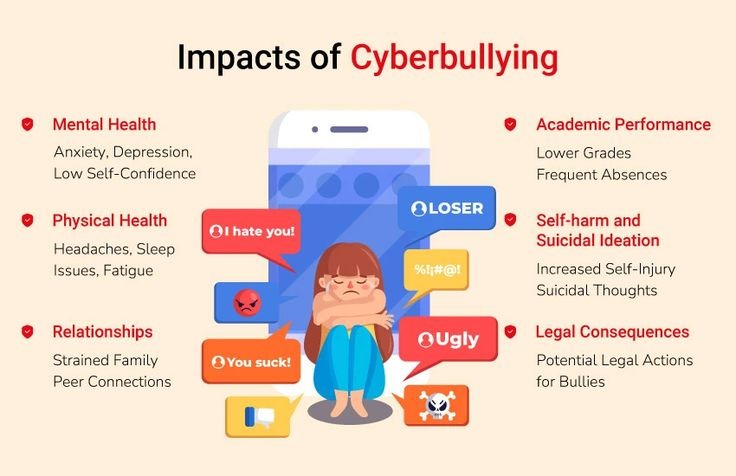
Image: Impacts of cyberbullying
Victims of cyberbullying may experience:
- Emotional distress
- Social withdrawal
- Loss of confidence
- Depression and fear
- In extreme cases, cyberbullying has led to self-harm and suicide among youth, making it a major social concern.
– Spread of Misinformation and Fake News:
Social media spreads information very fast, but not all information is true. Fake news, rumors, and misleading content can confuse youth and influence their opinions wrongly.
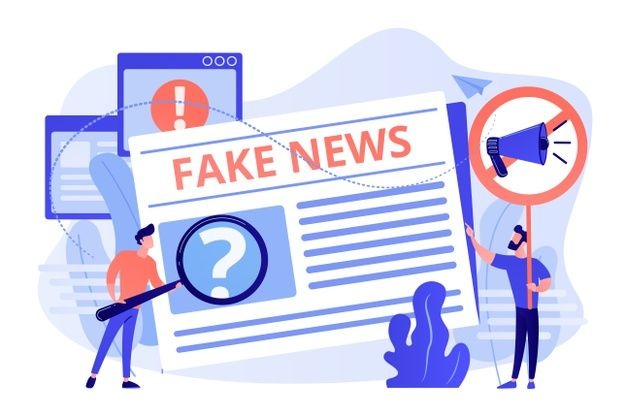
Image: Spread of fake news by social media
Young people may:
- Believe false information
- Develop biased thinking
- Spread misinformation unknowingly
This can affect social harmony, decision-making, and trust in real news sources.
Impact on Academic Performance:
Excessive use of social media distracts students from studies. Constant notifications and entertainment reduce focus and discipline.
Common academic problems caused by social media include:
- Procrastination
- Reduced study time
- Poor exam performance
- Lack of interest in reading books
Instead of productive learning, many youths waste valuable time online.
Weakening of Real-Life Relationships:
While social media connects people virtually, it often weakens real-life relationships. Many youths prefer online interaction
s over face-to-face communication.
This results in:
- Poor communication skills
- Reduced emotional bonding
- Isolation from family
- Lack of social manners
Virtual connections cannot fully replace real human relationships.
Also Read: Is Social Media Destroying Your Focus? Research reveals the Science of Hyperstimulation
Social Media and Youth Culture:
Social media strongly influences youth culture, lifestyle, fashion, language, and behavior. Trends change rapidly, and young people feel pressure to follow them to fit in.
Positive cultural exchange is possible, but blind imitation can lead to:
- Loss of traditional values
- Overexposure to vulgar content
- Consumerism and materialism
Youth must learn to adopt trends wisely without losing their identity and values.
Role of Parents and Teachers:
Parents and teachers play a crucial role in guiding youth about responsible social media use.
Their responsibilities include:
- Setting screen time limits
- Encouraging offline activities
- Educating about online safety
- Promoting critical thinking
- Maintaining open communication
Instead of strict bans, balanced guidance is more effective.
Role of Government and Social Media Platforms:
Governments and social media companies also have responsibilities to protect youth.
Key steps include:
- Strong cyber laws
- Awareness campaigns
- Reporting and blocking harmful content
- Data privacy protection
- Mental health support initiatives
- Social media platforms should promote positive and educational content.
Tips for Healthy Social Media Use for Youth:
Youth can enjoy social media safely by following some simple practices:
- Limit daily screen time
- Follow positive and educational pages
- Avoid comparison and negativity
- Verify information before sharing
- Take regular digital breaks
- Focus on real-life goals and relationships
- Balanced usage is the key to avoiding harm.
Future of Social Media and Youth:
Social media will continue to grow and influence youth in the future. New technologies like artificial intelligence, virtual reality, and metaverse will make digital interaction even more immersive.
The challenge is to ensure that social media becomes a tool for growth, learning, and positivity, not stress and distraction. The future depends on how wisely today’s youth uses social media.
Final Thoughts:
The impact of social media on youth is deep and powerful. It has the ability to educate, inspire, connect, and empower young minds. At the same time, it can mislead, distract, and harm if used excessively or irresponsibly.
Social media is neither completely good nor completely bad. It is a tool, and its effect depends on how it is used. Youth must learn self-control, awareness, and balance while using social media. With proper guidance from parents, teachers, society, and responsible platforms, social media can become a positive force for youth development and nation-building.
Role of Sant Rampal Ji Maharaj in social media:
Sant Rampal Ji Maharaj explains that social media is a blessing given by God. Through social media, we can spread the true knowledge of God to millions of people while sitting at home. This modern technology has made it easier than ever to reach the masses with spiritual awareness and divine truth. According to Sant Rampal Ji Maharaj, the present time is the prime time for salvation (moksha), in which God Himself is imparting true spiritual knowledge to His children and providing the complete method of liberation, through which souls can attain complete salvation and reach Satlok. For more information, visit the Sant Rampal Ji Maharaj YouTube channel and read the book Gyan Ganga.
FAQ
Q : What is social media?
Social media refers to online platforms that allow users to create, share, and interact with content, such as Facebook, Instagram, YouTube, WhatsApp, and X (Twitter).
Q : How does social media affect youth?
Social media affects youth both positively and negatively. It helps in learning, communication, and creativity but can also cause addiction, stress, anxiety, and distraction from studies.
Q : What are the positive effects of social media on youth?
Positive effects include access to information, educational content, global connectivity, self-expression, career opportunities, and awareness about social issues.
Q : What are the negative effects of social media on youth?
Negative effects include mental health problems, cyberbullying, addiction, poor academic performance, misinformation, and weakened real-life relationships.
Q : How does social media impact the mental health of youth?
Excessive use of social media can lead to low self-esteem, depression, anxiety, fear of missing out (FOMO), and emotional stress due to constant comparison and online pressure.
Q : Can social media affect students’ studies?
Yes, excessive social media usage can reduce concentration, waste time, and negatively impact academic performance if not used in a balanced manner.
Q : How can youth use social media responsibly?
Youth can use social media responsibly by limiting screen time, following positive content, avoiding comparisons, verifying information, and focusing on real-life goals.
Q : What role do parents play in managing social media use?
Parents should guide, support, and educate children about healthy social media habits instead of imposing strict bans.
Q : Is social media harmful for all youth?
No, social media is not harmful for everyone. Its impact depends on how much and how wisely it is used.
Q : What is the future of social media for youth?
Social media will continue to grow with new technologies. Proper awareness and balanced usage can make it a powerful tool for youth development.