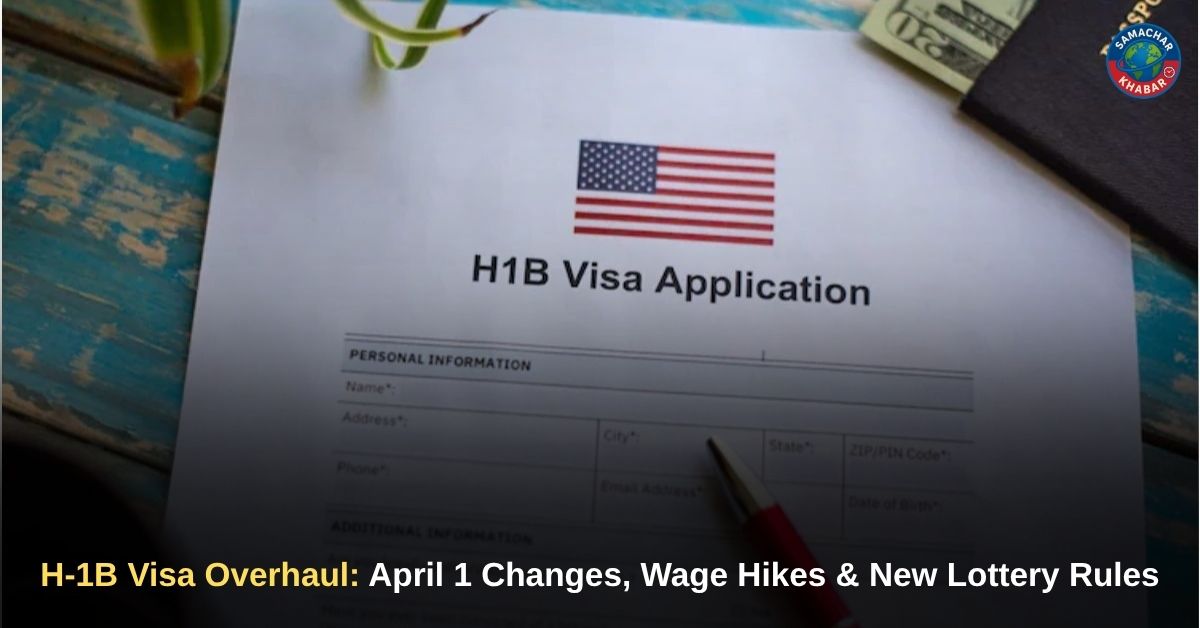
H-1B Visa Overhaul: If you are an IT professional aiming for the American Dream, the rules of the game have just changed dramatically. This past Wednesday, April 1, the United States Citizenship and Immigration Services (USCIS) rolled out one of the most consequential overhauls to the H-1B visa program in recent memory.
For years, the system was defined by a nerve-wracking, luck-based lottery. Now, that era is over. As the fiscal year 2027 (FY27) cap season kicks off, the US government is actively shifting its focus from random selection to a strict, wage-weighted model. If you are applying for a US work visa, the pathway has officially become more competitive, significantly more expensive, and meticulously scrutinized.
Key Points on H-1B Visa Overhaul:
- The Wage-Weighted Lottery: The traditional random selection process is gone. The new system directly ties an applicant’s odds of selection to their offered salary level, heavily prioritizing higher-paid professionals.
- Mandatory Form Upgrades: Effective earlier this week, USCIS will exclusively accept the newly revised Form I-129. Petitions submitted on older editions will be rejected immediately without exception.
- Massive Salary Hikes: Minimum wage thresholds have skyrocketed. Entry-level H-1B workers (Level I) must now be paid at least $97,746, a steep jump of over $24,000 from previous requirements.
- Hyper-Detailed Job Scrutiny: Employers can no longer be vague. The new forms demand absolute precision regarding minimum education, specific fields of study, and exact supervisory duties to justify the chosen wage level.
- Enhanced Background Checks: Alongside rigorous corporate compliance, authorities are stepping up individual scrutiny, including closer monitoring of an applicant’s social media footprint.
The End of the Pure Lottery
The most profound shift implemented this week is the death of pure chance. Historically, the H-1B cap selection was a blind draw, leading to widespread criticism that it allowed companies to flood the system with low-wage, entry-level applications. The new wage-weighted model fundamentally changes this dynamic.
Under the new rules, the USCIS will prioritize registrations based on the Occupational Employment and Wage Statistics (OEWS) levels. A candidate offered a Level IV (Fully Competent) wage has a mathematically higher chance of being selected than someone at Level I (Entry-Level). The objective is clear: to ensure the visa is utilized to recruit top-tier global talent rather than serving as a source of cheap substitute labor. If a company wants the visa, they must be willing to pay a premium.
The $24,000 Jump in Minimum Pay
To further protect domestic labor markets, the Department of Labor has drastically raised the minimum salary floors required to sponsor a foreign worker. The most dramatic impact is on entry-level positions.
Previously, an entry-level H-1B professional could be sponsored for approximately $73,000 annually. Under the new framework, that minimum threshold has jumped by over $24,000, bringing the new baseline to $97,746. This upward adjustment applies across all four wage tiers, meaning employers face a significant increase in hiring costs. For international students transitioning from an F-1 study visa to an H-1B, securing a company willing to absorb this massive initial cost will become the ultimate hurdle.
The “Zero-Tolerance” Paperwork
Alongside financial changes, the bureaucratic process has become unforgiving. As of April 1, the USCIS mandates the use of the February 2026 edition of Form I-129. Immigration attorneys are warning corporate clients that there is absolutely no grace period; submitting the old January 2025 version will result in an automatic, outright rejection.
However, the form change is not merely cosmetic. The new I-129 requires employers to lay their cards on the table before the petition is even filed. Companies must explicitly detail the minimum degree required, the exact field of study, and detailed job responsibilities. Every single detail must perfectly align with the wage level claimed on the Labor Condition Application (LCA). Any discrepancies between the job description and the proposed salary will instantly trigger heavy administrative scrutiny or an outright denial.
Navigating the New Reality
These sweeping changes signify a broader ideological shift in US immigration policy. By increasing both the financial and administrative burdens on sponsoring companies, the government is forcing the corporate sector to prioritize domestic hiring and only look abroad when a specialized skill set is genuinely unavailable locally.
Also Read: What is H-1B Visa and Why is the H1-B Visa Important for Indians?: All need to know
For Indian tech professionals, who historically secure the lion’s share of H-1B visas, the strategy must evolve. Simply having a valid degree and a willing sponsor is no longer enough. Applicants must now focus on securing specialized, high-paying roles that naturally demand Level III or Level IV wages to realistically survive this new, hyper-competitive selection matrix.
FAQs about H-1B Visa
1. What changed in the H-1B lottery on April 1?
The pure chance random lottery was replaced by a wage-weighted selection system. Applicants with higher salaries and advanced skill levels (Level III and IV) now receive mathematical priority over lower-wage entries.
2. What is the new Form I-129 rule?
As of April 1, employers must exclusively use the updated Form I-129 (edition 02/27/26). Any petitions filed using older versions will be outright rejected by USCIS without exception.
3. How much have H-1B minimum wages increased?
Wage thresholds have risen significantly across all four levels. For example, the minimum required salary for an entry-level (Level I) H-1B worker has jumped by over $24,000, establishing a new baseline of approximately $97,746.
4. How does this affect international students on F-1 visas?
Students transitioning from F-1 to H-1B face a much tougher job market. Because entry-level wage minimums have spiked so drastically, it will be harder to find employers willing to absorb those high initial salaries for fresh graduates.
5. Why did the US government implement these strict changes?
The overhaul is designed to align visa allocation with actual labor market needs, prevent the misuse of the system for cheap labor, and ensure the H-1B program is reserved strictly for highly specialized, premium global talent.