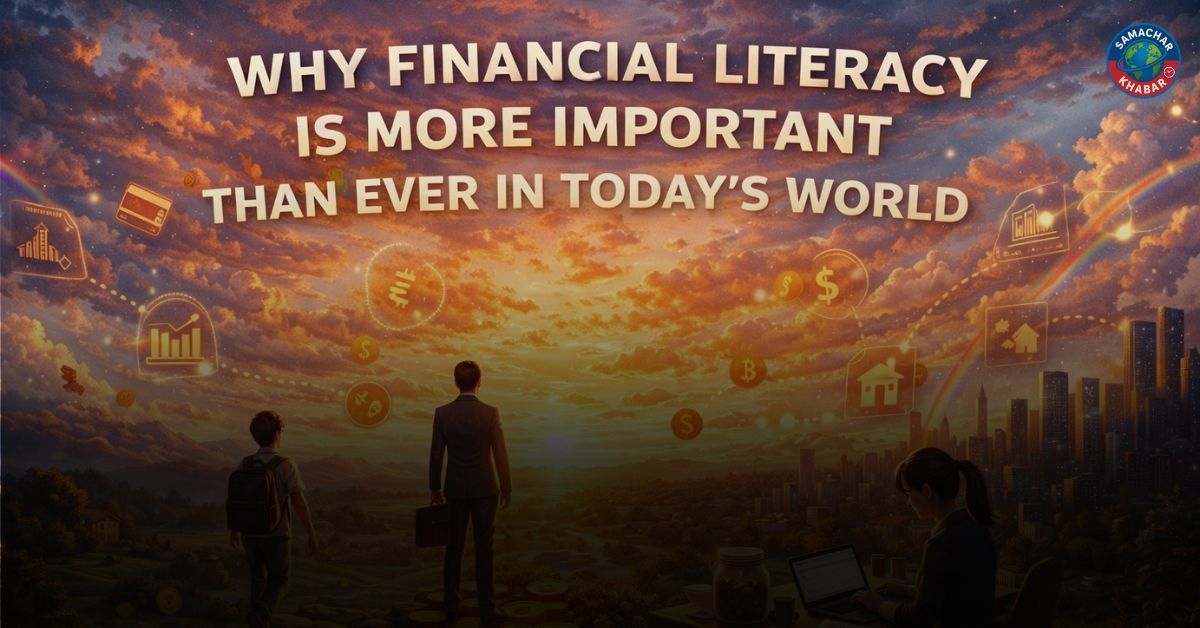
Money plays an important role in our daily lives, yet many people still struggle to manage it effectively. In today’s fast-moving digital economy, individuals must make financial decisions almost every day. From online payments to digital investments, financial choices have become more frequent and complex. Because of this, managing money can sometimes feel overwhelming.
This is where financial literacy becomes essential. Financial literacy is not just about earning money; it is about understanding how to manage, save, invest, and use money wisely. Developing these skills helps individuals build financial stability and make better decisions about their future.
Why Financial Literacy Matters for Economic Stability
When people understand money, they tend to save more, borrow responsibly, and make informed financial decisions.This helps not only individuals but also strengthens the overall economy.
On the other hand, a lack of financial knowledge often leads to poor financial decisions, debt accumulation, stress, and long-term financial insecurity. In a country like India, where digital banking, online payments, and investment platforms are rapidly expanding, financial literacy has become even more important.
A financially aware population contributes to economic growth because people manage credit responsibly, invest wisely, and participate more confidently in financial systems.
Overview of Financial Literacy in Today’s Context
The way people manage money has changed significantly over time. Earlier, financial options were limited to basic banking, cash transactions, and traditional savings methods.
Today, however, people have access to digital payments, instant personal loans, mobile banking, stock trading apps, cryptocurrency platforms, and online investment tools.
While these services offer convenience and accessibility, they also increase the risk of impulsive decisions, financial fraud, and poor investment choices. As a result, financial literacy is no longer optional—it has become a necessary life skill in the digital era.
Key Components of Financial Literacy
Financial literacy includes several important skills that help individuals manage their finances effectively.
- Budgeting – Planning and tracking income and expenses to maintain financial balance
- Saving – Setting aside money regularly to build an emergency fund and financial security
- Investing – Growing wealth through assets such as stocks, mutual funds, or retirement plans
- Debt Management – Using credit wisely and avoiding high-interest debt traps
- Financial Planning – Preparing for long-term goals such as education, retirement, or major life expenses
These skills form the foundation of long-term financial stability and independence.
How Financial Literacy Benefits Individuals
When people become financially literate, they are able to make better everyday financial decisions. They begin to distinguish between needs and wants, control unnecessary spending, and develop disciplined financial habits.
Financial awareness also creates a sense of control and confidence over personal finances. Knowing where money is being spent reduces stress and allows individuals to plan effectively for both short-term needs and long-term goals.
Another major benefit is financial discipline. Small habits such as saving regularly, avoiding unnecessary loans, and planning expenses carefully can gradually lead to long-term financial stability.
Financial literacy also helps individuals identify financial risks, avoid scams, and explore legitimate opportunities such as investments or side income sources. In the long run, these skills contribute to financial independence and a more secure life.
Challenges in Achieving Financial Literacy
Despite its importance, financial literacy remains limited. Some common challenges include:
- Lack of education in schools
- Complex financial products
- Access to reliable information
- Hesitation in discussing money matters
Because of these challenges, many individuals learn financial lessons only after making costly mistakes.
Common Mistakes Due to Lack of Financial Literacy
People often make mistakes with money because they do not know much about it. Without knowing about money people often:
- Take loans that charge a lot of interest
- Do not save any money
- Overspend without planning
- Fall for scams that can hurt them
These mistakes may seem small initially, but over time they can lead to serious financial difficulties such as debt, financial stress, and long-term instability.
Top Government Schemes To Strengthen Your Personal Finance
Practical Ways to Improve Financial Literacy
Improving financial literacy does not always require complex education. Simple learning habits can significantly improve financial awareness.
Some effective ways include:
- Learning basic budgeting and money-management techniques
- Reading reliable financial books, articles, and educational blogs
- Using budgeting or expense-tracking apps
- Understanding how loans, credit scores, and interest rates work
- Following trusted financial experts and educational resources
By gradually building financial knowledge, individuals can develop smarter financial habits and make better financial decisions.
Conclusion: Financial literacy is a process
Financial literacy is really important these days. It helps people manage money effectively, reduce stress and make informed decisions about their future.
The ability to budget, save, invest and manage debt may seem simple. These are the very skills that create long-term stability.
Even small changes like tracking what we spend or saving regularly can gradually lead to financial improvement.
Financial literacy is a process. The financial world keeps changing. New tools, new risks and new opportunities will keep coming up making it essential to stay informed and adaptable. Improving financial literacy can lead to stronger families, more secure communities and a more stable economy.
A Broader Perspective: Linking Financial Literacy with Life Values
Financial literacy is not only about numbers and calculations; it also involves developing discipline, responsibility, and a balanced mindset toward money.
The teachings of Sant Rampal Ji Maharaj emphasize simplicity, self-discipline, and avoiding unnecessary expenses.These principles closely align with healthy financial habits. When individuals focus on needs rather than unnecessary desires and practice contentment, they naturally develop better control over spending and experience less financial stress. In this way, financial knowledge combined with strong life values can create lasting stability and peace of mind.
Sant Rampal Ji Maharaj teaches that the greatest form of wealth is Satbhakti (true devotion to God).The good deeds, devotion, and charity we perform become our real investments for the future.