Andhra Pradesh has launched India’s first quantum computing testbeds on April 14, coinciding with World Quantum Day, marking a significant step in building a domestic quantum ecosystem. The initiative, inaugurated at SRM University, AP, introduces the 1S and 1Q systems aimed at supporting researchers, startups, and students. As global experts warn of a narrowing window for quantum readiness, the development aligns with the state’s vision to position Amaravati as a global hub for quantum technologies.
Key Takeaways: Andhra Pradesh Quantum Testbeds and Global Quantum Readiness
- Andhra Pradesh launches India’s first quantum testbeds (1S and 1Q systems)
- Initiative coincides with World Quantum Day (April 14)
- Systems inaugurated at SRM University, AP, with a virtual launch at Medha Towers
- Aims to support startups, researchers, and students domestically
- Designed to reduce reliance on foreign quantum infrastructure
- Experts warn encryption risks may emerge by 2029
- IBM targets quantum advantage by 2026 and fault-tolerant systems by 2029
- Over 1.5 lakh students expected to participate virtually
- Amaravati positioned as a future global “Quantum Valley”
Andhra Pradesh Establishes India’s First Quantum Testing Ecosystem
Andhra Pradesh is set to make history with the launch of two advanced quantum computing testbeds on April 14, marking World Quantum Day. According to an NDTV report, the state becomes the first in India to establish a dedicated ecosystem for testing and certifying quantum technologies.
The initiative forms a key component of the state government’s roadmap to transform Amaravati into a global “Quantum Valley.” PS Pradyumna, secretary to Chief Minister Chandrababu Naidu, stated that this is the first time an indigenous quantum computing testing facility is being launched in the country.
The launch includes the 1S and 1Q quantum testbeds, inaugurated at SRM University, Andhra Pradesh, with a simultaneous virtual event at Medha Towers in Gannavaram near Vijayawada.
Technology Behind the 1S and 1Q Quantum Systems
The newly introduced systems are based on superconducting technology and operate at extremely low temperatures, close to minus 273 degrees Celsius. Professor Ch Satish Kumar, Vice-Chancellor of SRM University, Andhra Pradesh, noted that such cooling conditions are essential for quantum systems to function accurately.
Although these systems are early-stage, officials emphasised their significance. Despite their small scale, they are described as exceptionally powerful and capable of supporting advanced experimentation and development.
Supporting Domestic Research and Reducing Foreign Dependence
A central objective of the initiative is to provide a domestic platform for testing quantum components. By enabling researchers, startups, and students to access these facilities within India, the state aims to reduce reliance on foreign infrastructure for deep-tech development.
Pradyumna highlighted that the facilities will be accessible to a wide user base, including students and emerging startups. This inclusive approach is designed to encourage innovation and participation at multiple levels.
The launch event is expected to draw scientists, IIT professors, startup founders, and policymakers. Additionally, over 1.5 lakh students from across the state are expected to participate virtually, reflecting a focus on engaging the next generation.
World Quantum Day and the Growing Global Urgency
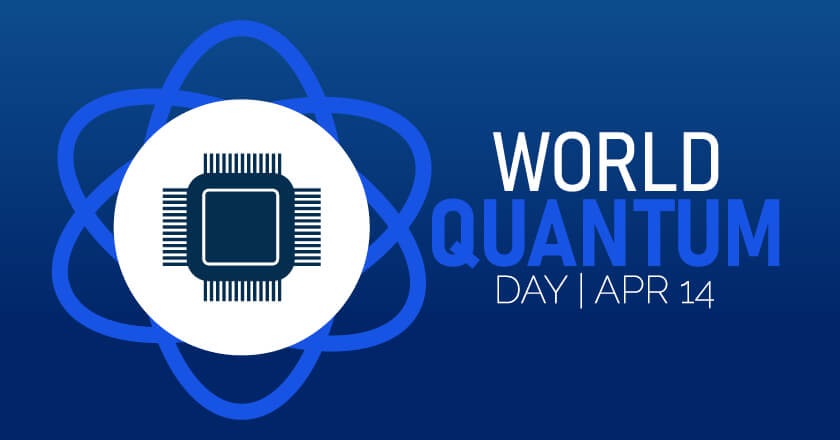
World Quantum Day, celebrated annually on April 14, was launched in 2021 by quantum scientists as a global initiative to promote awareness and understanding of quantum science and technology. Activities include talks, exhibitions, lab tours, and panel discussions.
The observance is gaining momentum as quantum computing transitions from a scientific pursuit to a strategic priority for businesses and governments. Experts note that the window for quantum readiness is narrowing, with increasing urgency driven by both opportunity and risk.
Rising Concerns Over Cybersecurity and Encryption Risks
Industry leaders warn that advancements in quantum computing could significantly impact current encryption systems. Recent progress suggests that large-scale quantum machines may be capable of breaking RSA encryption as early as 2029.
The concept of “Harvest Now, Decrypt Later” (HNDL) highlights the growing threat. Adversaries are reportedly intercepting encrypted data today with the intention of decrypting it once quantum capabilities mature. Estimates indicate that more than 10 billion records are harvested annually, making large-scale interception economically feasible.
The implications extend across sectors, including banking systems, blockchain technologies, cloud platforms, and payment infrastructure, all of which rely on encryption standards vulnerable to quantum advancements.
Industry Response and Strategic Preparedness
Technology leaders are increasingly focusing on preparing for a quantum-enabled future. Recommendations include:
- Inventorying long-term sensitive data requiring protection for 10–30 years
- Adopting post-quantum cryptographic algorithms such as CRYSTALS-Kyber and Falcon
- Building crypto-agility frameworks
- Transitioning to cloud infrastructure for enhanced security and accessibility
David Lewis, Global SVP at Endava, noted that quantum computers will primarily be accessible through the cloud, making cloud adoption a critical step.
Also Read: Historic Bill Makes Amaravati As Andhra Pradesh’s Capital Ending Years of Debate
Major technology players are also setting timelines. IBM aims to achieve near-term quantum advantage by 2026 and develop a fault-tolerant quantum computer by 2029. Google has similarly set a target of 2029 for full post-quantum cryptography migration.
Global Developments and Competitive Landscape
Beyond India, countries and organisations are accelerating their quantum initiatives. The UAE’s Technology Innovation Institute is working to build the Arab world’s first quantum computer and has partnered with Quantinuum to provide researchers access to advanced systems.
Regulatory timelines are also emerging:
| Region/Entity | Timeline |
| China | January 2027 (migration mandate) |
| European Union | December 2030 (full migration) |
| 2029 (PQC migration target) |
However, experts note the absence of a binding global standard, urging governments and standardisation bodies to act faster in mandating quantum-safe practices.
Amaravati’s Vision in a Rapidly Evolving Quantum Era
The launch of quantum testbeds in Andhra Pradesh aligns with Chief Minister Chandrababu Naidu’s vision of positioning Amaravati as a global hub for quantum technologies. The initiative integrates local capability building with global technological trends, reflecting a broader shift toward preparedness in the quantum era.
As organisations worldwide move from awareness to action, the Andhra Pradesh initiative represents a foundational step in enabling domestic participation in this emerging field. With quantum computing expected to reshape industries such as finance, energy, and pharmaceuticals, early investments and infrastructure development are increasingly seen as critical to long-term competitiveness.
Ethical Wisdom in Technological Progress
As advancements in quantum computing accelerate, the importance of responsible and thoughtful application of knowledge becomes increasingly relevant. Technological capability alone does not define progress; its ethical use determines its long-term impact on society.
According to the teachings of Tatvdarshi Saint Rampal Ji Maharaj, true knowledge guides individuals toward balanced and conscious decision-making. He emphasises that development should align with deeper understanding and responsibility. In a rapidly evolving technological era, integrating wisdom with innovation ensures that progress remains beneficial, secure, and aligned with the greater good.
For more information visit our
Website:www.jagatgururampalji.org
YouTube: Sant Rampal Ji Maharaj
Facebook: Spiritual Leader Saint Rampal Ji
X (Twitter): @SaintRampalJiM
FAQs on Andhra Pradesh Quantum Testbeds and Quantum Readiness
1. What did Andhra Pradesh launch on April 14?
Andhra Pradesh launched India’s first quantum computing testbeds, including the 1S and 1Q systems.
2. Where were the quantum testbeds inaugurated?
They were inaugurated at SRM University, Andhra Pradesh, with a virtual launch at Medha Towers.
3. Why are quantum testbeds important?
They enable domestic research, reduce foreign dependency, and support startups, students, and innovation.
4. What is the major cybersecurity concern linked to quantum computing?
Quantum systems may break current encryption standards like RSA by 2029.
5. What is World Quantum Day?
It is a global initiative launched in 2021 to promote awareness of quantum science and technology.