You just drove your brand-new car out of the showroom. It has that fresh interior scent, the latest dashboard technology, and a BS-6 compliant engine that supposedly meets the strictest emission standards in the country. You likely assume your investment is secure for the next fifteen years. However, closed-door regulatory discussions happening right now suggest otherwise. The authorities are already looking at your newly purchased vehicle with a definitive expiry date in mind.
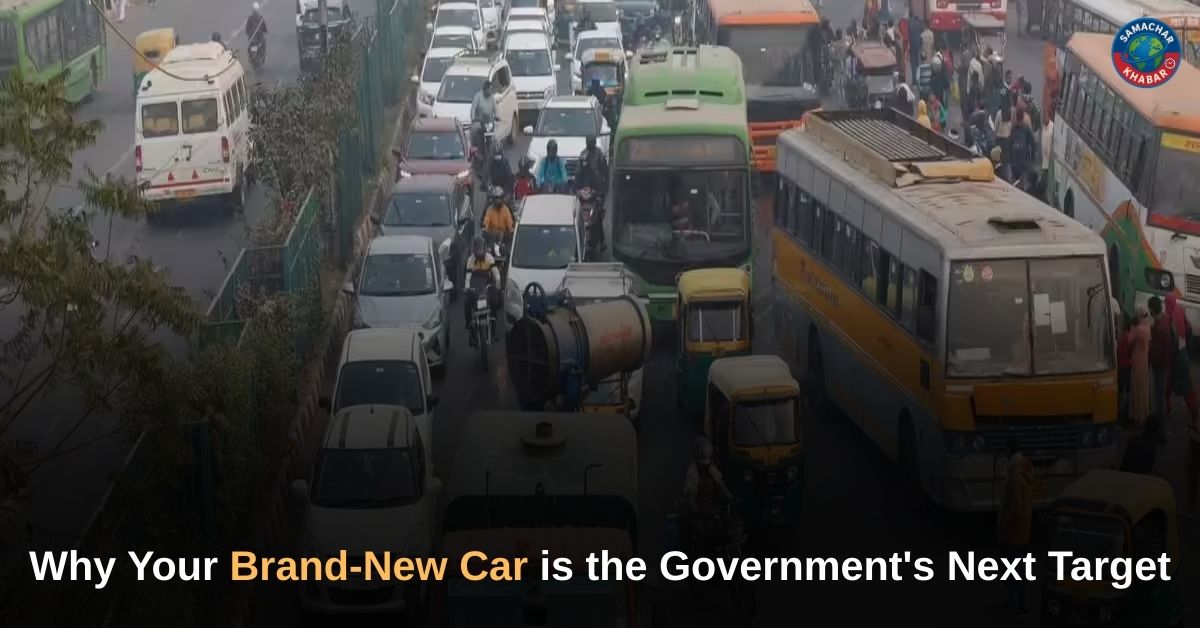
The Commission for Air Quality Management (CAQM) is currently drafting long-term strategies to completely overhaul the automotive landscape in the Delhi NCR region. While the immediate and highly publicized crackdown targets older models, the regulatory crosshairs are slowly but steadily shifting toward modern Internal Combustion Engine (ICE) vehicles.
Key Points at Glance
- The Imminent Purge: The CAQM plans to entirely phase out BS-3 and BS-4 vehicles in the Delhi NCR region within the next five years.
- The BS-6 Shock: Newly bought BS-6 vehicles are currently safe, but authorities are looking to discontinue their usage within the next 10 years.
- The Domino Effect: Historically, aggressive emission regulations tested in Delhi eventually become the blueprint for the entire country.
- Economic Strain: The rapid phasing out of ICE cars places a severe financial burden on middle-class families, cab drivers, and automobile enthusiasts.
- Forced Green Transition: The ultimate governmental goal is to aggressively push the market away from petrol and diesel towards electric and sustainable alternatives.
The Expiry Date on Your Showroom Purchase
We are all familiar with the existing rule: a 10-year life limit for diesel and a 15-year limit for petrol vehicles in the capital. But the regulatory noose is tightening further. The CAQM is not just stopping at old, smoke-belching trucks. They are actively targeting the very concept of the internal combustion engine.
If you own a BS-3 or BS-4 vehicle, the writing is clearly on the wall. The government plans to force these off the roads within half a decade. But the real shocker lies in their approach to BS-6 cars. If you thought buying a state-of-the-art BS-6 engine bought you lifelong immunity from the scrap yard, you are mistaken. While you are safe for the immediate future, policy drafts indicate plans to discontinue these modern vehicles in the next decade. Your “future-proof” car is essentially running on a ten-year countdown timer.
Not Just a Delhi Problem
It is incredibly easy for someone sitting in Pune, Chennai, or Bangalore to read this and think, “This is a Delhi NCR issue; it doesn’t affect my daily commute.” That is a dangerous misconception.
Delhi is the undisputed testing ground for India’s environmental policies. When the National Green Tribunal (NGT) or the CAQM enforces a strict ban in the capital, it sets a solid legal and administrative precedent. As air quality indexes plummet in tier-one and tier-two cities nationwide, local state governments will inevitably adopt the Delhi model. Eventually, you will not be able to drive older ICE vehicles on any major Indian road without facing heavy fines or the immediate threat of vehicle seizure.
The Cost of Clean Air
No logical person argues against the absolute necessity of cleaner air. Global warming and severe urban pollution are crises that demand immediate, heavy-handed action. However, the current transition strategy seems to heavily penalize the everyday consumer.
Consider the basic financial mechanics of owning a car in India. Most middle-class buyers take out a five to seven-year loan to afford a vehicle. If the government phases out that car shortly after the loan is finally paid off, the owner is stripped of any residual resale value. They are then forced to take on fresh debt for a significantly more expensive electric vehicle. This rapid policy shift disproportionately hurts fleet drivers, daily commuters, and people whose livelihoods depend on their current vehicles.
India’s EV Transition Begins
The message from the transport authorities is uncompromising: the era of petrol and diesel is drawing to a forced close. The government is deeply committed to reducing the nation’s dependence on imported fossil fuels and meeting strict global climate targets.
However, the core challenge remains execution. How does a massive, developing economy shift to green mobility without financially crippling its citizens? Until a balanced, subsidized transition plan is formulated, that shiny new car parked in your driveway is nothing more than a temporary asset on borrowed time.
Frequently Asked Questions (FAQs)
1. Is the government banning new BS-6 cars?
Not immediately. However, regulatory bodies are drafting long-term strategies to phase out even BS-6 petrol and diesel vehicles over the next 10 years to accelerate the shift to electric mobility.
2. Are BS-3 and BS-4 cars completely banned?
In the Delhi NCR region, authorities are planning to entirely phase out any vehicle rated under BS-3 and BS-4 emission norms within the next 5 years.
3. Will these car ban rules apply outside Delhi NCR?
While currently focused on Delhi NCR due to extreme pollution levels, these environmental policies usually set a national precedent and are eventually adopted by other states.
4. Why is the government targeting new internal combustion cars?
The primary goal is to drastically reduce nationwide dependence on fossil fuels, curb rising urban pollution levels, and meet global sustainability targets.
5. How does this affect my car’s resale value?
As phase-out deadlines draw closer, the resale value of petrol and diesel cars will drop significantly, placing a financial burden on owners looking to upgrade or sell.