[ad_1]
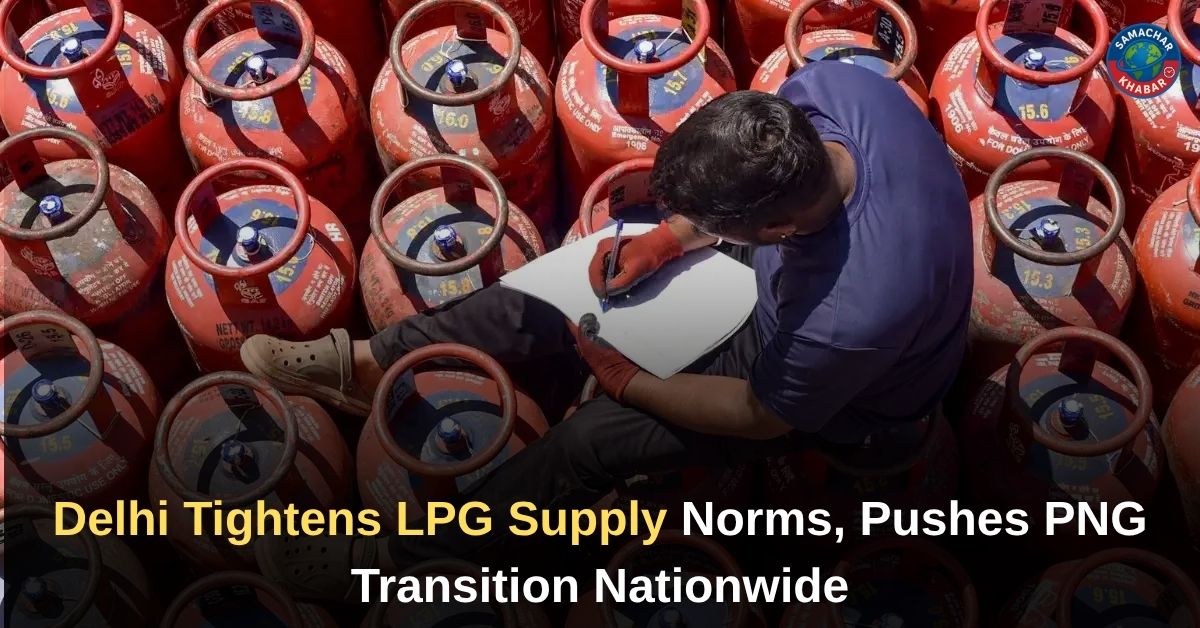
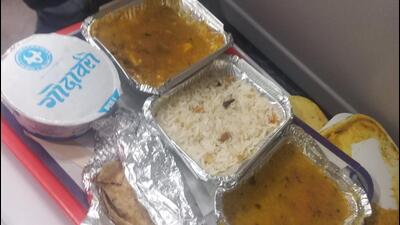
Mumbai: The government on Friday agreed to treat railway catering services as essential operations and ensure uninterrupted supply of LPG cylinders after a shortage forced railways to serve ready-to-eat food packets to passengers on some trains.

Following the intervention, the state began supplying 19-kg commercial LPG cylinders to railway cluster kitchens and base kitchens allowing fresh meals to be made for passengers on long distance trains. On Friday, railway authorities said the Ministry of Petroleum and Natural Gas has directed state-level nodal agencies to prioritise LPG supply to railway kitchens to ensure uninterrupted catering services on trains.
Cluster kitchens and base kitchens serving long-distance trains on Central and Western Railways prepare nearly 450,000 meals daily. In Mumbai alone the seven cluster kitchens at Sewri, Kurla, Chembur, Mumbai Central, Borivali and Powai cook 4,500 meals each per day.
“We need around 1,000 LPG cylinders to cater to all cluster kitchens, base kitchens and other setups. These have been recognised as essential services and supply (of LPG cylinders) has been restored,” a CR official said.
As LPG supply has resumed, these kitchens are now able to meet nearly 40% of the total catering demand. Another 40% is met through packaged ready-to-eat meals, while beverages make up the remaining 20%.
To improve coordination, contact details of state nodal agencies have been shared with the Indian Railway Catering and Tourism Corporation (IRCTC), and vice versa. This is aimed at improving coordination between LPG suppliers, state agencies and railway catering units.
The issue came to light on Wednesday when IRCTC’s cluster kitchen at Sewri faced a shortage of LPG cylinders, affecting the preparation of fresh meals for long-distance trains. These kitchens supply food to premium trains such as Vande Bharat Express, Rajdhani Express, Duronto Express, Shatabdi Express and Tejas Express, apart from regular trains.
IRCTC serves nearly 1.7 million meals daily across the country through pantry cars, base kitchens and onboard catering units, with around 20% of the demand coming from the western zone. Licensees of catering units have also been instructed to promptly inform IRCTC if cooking operations using LPG are discontinued at any unit so that alternative arrangements can be made. This is intended to ensure seamless catering services to passengers despite possible fuel supply disruptions.
The disruption in the supply of LPG gas comes as tensions escalate in the West Asia war. Due to threats to energy supply chains, and disruptions along the Strait of Hormuz, the price of crude oil and LPG has surged, impacting households and commercial sectors.
[ad_2]
Source link