[ad_1]
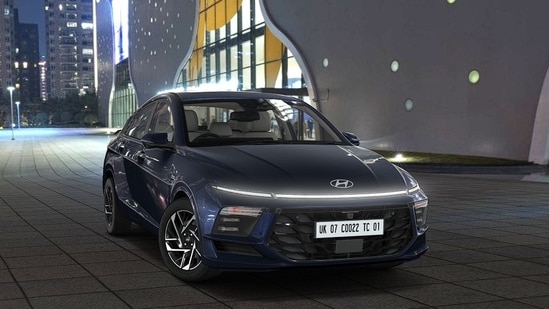
The Hyundai Verna has received its first update since the current-gen model debuted in 2023, and the MY2026 version brings a range of cosmetic tweaks, feature upgrades and new equipment aimed at keeping the sedan competitive in the mid-size segment. Prices start from ₹10.98 lakh and extend up to ₹18.25 lakh (ex-showroom). With additional safety tech and updated cabin amenities, here are our answers to some of the most common queries readers have raised about the Verna facelift:
Topics covered:
- Is the Hyundai Verna facelift a completely new model or a mid-cycle update?
- What design and exterior changes have been introduced?
- What interior and technology upgrades does the sedan receive?
- What engines and transmission options are available?
- What safety and ADAS features are offered?
1. Is the Hyundai Verna an all-new car and does it bring meaningful upgrades for this year?
Asked by Raj S.
The latest Hyundai Verna is not a new-generation model, but a mid-cycle revision of the current model launched in India in 2023. The sedan continues to use the same overall design, platform and powertrain lineup as before. However, Hyundai has introduced more than 25 incremental improvements across its design, technology, comfort and safety to keep the model competitive in the segment. Another notable change is the new ‘HX’ trim naming scheme, which replaces the earlier variant nomenclature and will gradually be adopted across the brand’s lineup.
2. How is the new Verna’s design different from the older version and does it grow in size?
Asked by Aditi Sharma
The refreshed Verna features several exterior updates to bring a sharper and more contemporary look. The front fascia dons a black chrome radiator grille flanked by dual LED projector headlamps. Both the front and rear bumpers have also been redesigned.
The sedan now rides on new 16-inch diamond-cut alloy wheels on higher-spec variants. In terms of dimensions, the Verna continues to be one of the larger offerings in the mid-size sedan category. It measures 4,565 mm in length, has a wheelbase of 2,670 mm and a width of 1,765 mm, which helps maintain a relatively spacious cabin layout.
3. Have there been any updates to the Hyundai Verna’s cabin and creature comforts?
Asked by Neha Kapoor
The Verna does get several interior upgrades with the latest version. The cabin now features a new D-cut steering wheel along with leatherette seat upholstery on higher variants. The driver’s seat now offers 8-way electric adjustment with a memory function and a welcome retract feature. The front passenger seat offers four-way electric adjustment and a walk-in device.
Other creature comforts include a rear window sunshade and Hyundai’s smart trunk system. The Verna continues to offer a boot capacity of 528 litres, among the largest in its segment.
The updated Verna continues with its dual-screen dashboard layout. This includes two 10.25-inch displays for the infotainment and the digital cluster.
Further features include wireless smartphone connectivity, a wireless charging pad, ventilated front seats and an electric sunroof. Hyundai’s connected car platform is also available, offering more than 70 connected vehicle functions along with extensive voice command capability.
4. What engine and transmission options are available with the Verna facelift?
Asked by Vivek B.
The Verna carries over the same two petrol engine options that were offered in the previous version. Buyers can opt for a 1.5-litre naturally aspirated unit paired with either a 6-speed manual transmission or an IVT automatic.
Buyers seeking stronger performance can opt for the 1.5-litre turbocharged powerplant, which produces 160 PS and 253 Nm of torque. This is offered with either a 6-speed manual or a 7-speed DCT.
Additional features such as selectable drive modes, paddle shifters and idle stop-and-go technology are also available on certain variants.
(Also read: 2026 Hyundai Verna variant-wise features explained)
5. Does the new Verna get an ADAS suite and more safety features?
Asked by Kunal Malhotra
The Verna’s safety suite grows with a Level 2 ADAS package offering up to 20 driver assistance functions. These systems are available on higher variants and include features such as adaptive cruise control, forward collision warning and lane assistance functions.
The sedan also offers seven airbags, including a centre airbag. Other safety highlights include a built-in dashcam and rain-sensing wipers. Standard safety equipment across the range includes six airbags, electronic stability control, hill-start assist, rear parking sensors and ISOFIX child seat mounts.
These questions were answered by Ayush Chakraborty of Hindustan Times. Ayush is an automotive journalist with two years of experience in the sector. He is currently covering news and creating content across HT Auto, Hindustan Times, and Livemint.
If you want your questions answered, send them over to htautodotcom@gmail.com
[ad_2]
Source link