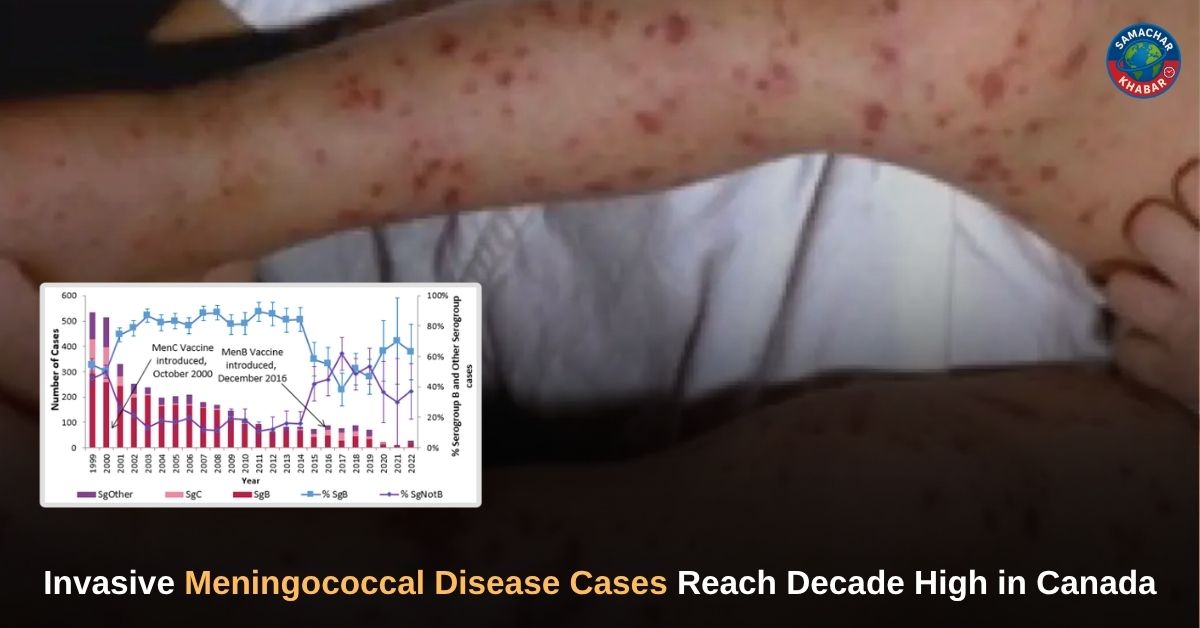
Canada is recording the highest number of invasive meningococcal disease (IMD) cases in more than a decade, according to recent public health data. The rare but severe bacterial infection, known for causing meningitis and bloodstream infections, has shown a steady rise since 2021 after pandemic-related lows. Experts say the disease remains unpredictable, with regional outbreaks and declining vaccine uptake adding to public health concerns across multiple provinces.
Key Takeaways on Invasive Meningococcal Disease in Canada
- IMD cases increased from 48 (2021) to 155 (2025)
- At least 63 cases reported in 2026 so far
- Death rate stands at 14%, with infants and young adults most at risk
- 15–20% survivors face long-term complications
- Manitoba and Saskatchewan report notable increases
- Vaccine uptake has declined since 2019
- Provincial vaccination strategies vary significantly
Rising IMD Cases Across Canada
Annual cases of invasive meningococcal disease have reached their highest levels in more than a decade. According to figures from the Public Health Agency of Canada, reported cases rose steadily from 48 in 2021 to 74 in 2022 and nearly 100 in 2023.
Preliminary provincial data compiled by CBC News shows a sharper increase, with at least 132 cases recorded in 2024 and 155 in 2025 — marking the highest national total since 2012. So far in 2026, at least 63 cases have been reported across Canada’s 10 provinces. Data from the three territories was not requested due to typically low case numbers linked to smaller populations.
Experts note that while cases dropped significantly after meningococcal vaccines were introduced in the early 2000s, and reached record lows during COVID-19 restrictions in 2021, infections have since returned to more typical levels.
A Rare but Severe and Rapidly Progressing Disease
Invasive meningococcal disease is a serious bacterial infection that can lead to:
- Meningitis (inflammation of the brain and spinal cord membranes)
- Bloodstream infection and sepsis
- Severe organ damage
- Long-term disability or death
The disease carries a 14% mortality rate in Canada, with infants and young adults facing the highest risk of fatal outcomes. Among survivors, 15 to 20% experience lasting complications, including hearing loss, limb amputations, or neurological disabilities.
“It’s a very significant consequence and very serious disease at such a young age,” said Dr. Cristin Muecke, emphasizing that even though the disease is rare, its impact is severe.
Unpredictable Spread and Regional Variations
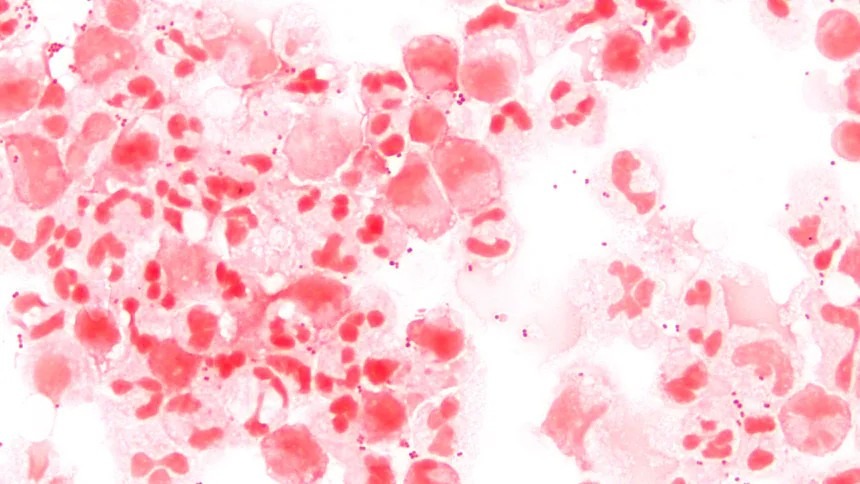
IMD is caused by the bacteria Neisseria meningitidis, which is carried harmlessly by about one in 10 people. Six subtypes — A, B, C, X, W and Y — are responsible for most invasive cases.
Dr. Allison McGeer noted that the disease remains difficult to predict due to changing epidemiological patterns. “We’ve had several changes in epidemiology over time … that we don’t have good explanations for,” she said.
Manitoba has experienced above-average case counts over the past three years, driven by an outbreak of meningococcal W affecting young people in Winnipeg and Indigenous communities in northern regions. In 2025, the province reported 23 cases and four deaths — roughly five times higher than usual.
Other provinces have also seen increases:
| Province | Recent Trends |
| Saskatchewan | Cases rose from 4 (2024) to 17 (2025) |
| Ontario | 30 cases (2024, 6 deaths), 39 (2025), 42 so far in 2026 |
| Quebec | 53 cases (2024), 47 (2025), 10 so far in 2026 |
Real-Life Case Highlights Severity
The rapid progression of IMD was evident in the case of 11-year-old Leah from Thompson, Manitoba. Initially diagnosed with a basic ear infection in April 2024, her condition worsened within hours, with symptoms including fever, headache, and repeated vomiting.
She was later diagnosed with life-threatening bacterial meningitis and transported over 650 kilometres to HSC Children’s Hospital in Winnipeg. Doctors identified a blood clot in her brain and provided intensive treatment, including MRIs and broad-spectrum antibiotics. She spent 10 days in hospital and has since made a full recovery.
Vaccination Strategies Differ by Province
Vaccination remains the primary defence against IMD, but approaches vary across Canada.
Manitoba has adjusted its strategy by allowing children to receive a vaccine covering four subtypes (A, C, W, Y) at age one, instead of waiting until Grade 6, according to Dr. Brent Roussin.
In Nova Scotia, a 2022 outbreak caused by meningococcal B led to the introduction of free vaccines for young adults in congregate settings, such as university dormitories and military barracks.
Currently:
- Meningococcal C vaccine is typically given to infants
- Four-subtype vaccine is offered to higher-risk groups or teenagers
- Meningococcal B vaccine is mainly for high-risk individuals and may require private payment
Experts stress that provincial strategies must be tailored due to differing infection patterns.
Declining Vaccine Uptake Raises Concerns
Public health officials have raised concerns over declining vaccination rates.
- Coverage for meningococcal C vaccine dropped from over 90% in 2019 to below 84% in 2024
- Teen vaccination rates for the four-subtype vaccine have also declined since the COVID-19 pandemic
Dr. Joanne Langley attributed the decline to reduced healthcare access during the pandemic, vaccine hesitancy, and shortages of primary care providers.
Despite limitations — including the fact that no single vaccine covers all subtypes — experts maintain that vaccination remains the most effective protection.
Recognising Symptoms and Acting Quickly
IMD can initially resemble common infections but may worsen rapidly within hours.
Early symptoms include:
- Fever
- Headache
- Nausea
Serious warning signs include:
- Intense headache
- Stiff neck
- Sensitivity to light
- Confusion or unusual drowsiness
- Full-body rash
Health experts stress that early recognition and immediate medical attention are critical.
A Growing Public Health Challenge
While invasive meningococcal disease remains rare, its rising case numbers, severe outcomes, and declining vaccination rates present an increasing challenge for Canada’s public health system. Regional outbreaks and unpredictable patterns continue to complicate response efforts, underscoring the need for targeted strategies and heightened awareness among families and healthcare providers.
Spiritual Awareness in Times of Crisis
The rise in severe infections such as invasive meningococcal disease highlights the importance of awareness, timely action, and responsible living. While medical science provides prevention and treatment through vaccination and early care, many people also reflect on deeper aspects of life during such uncertain situations.
Spiritual understanding can encourage individuals to remain mindful, disciplined, and compassionate towards others. Followers of Sant Rampal Ji Maharaj believe that His Knowledge guides people towards a balanced and aware life, helping them make informed and responsible choices in challenging times.
For more information visit our
Website:www.jagatgururampalji.org
YouTube: Sant Rampal Ji Maharaj
Facebook: Spiritual Leader Saint Rampal Ji
X (Twitter): @SaintRampalJiM
FAQs on Invasive Meningococcal Disease
1. What is invasive meningococcal disease (IMD)?
A rare bacterial infection causing meningitis, sepsis, and severe complications.
2. How many IMD cases have been reported in Canada recently?
Cases rose from 48 in 2021 to 155 in 2025, with 63 reported in 2026 so far.
3. Who is most at risk from IMD?
Infants and young adults face the highest risk of severe outcomes and death.
4. What are the main symptoms of IMD?
Fever, headache, nausea, stiff neck, confusion, and rash are key warning signs.
5. How can IMD be prevented?
Vaccination is the most effective protection, though coverage varies by subtype.