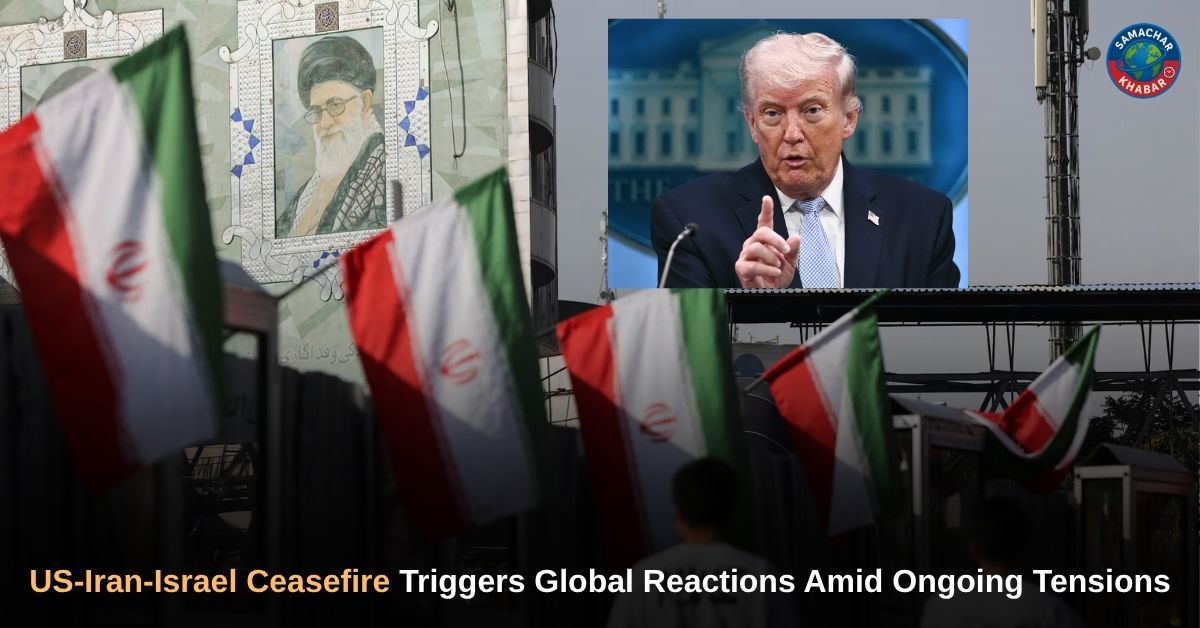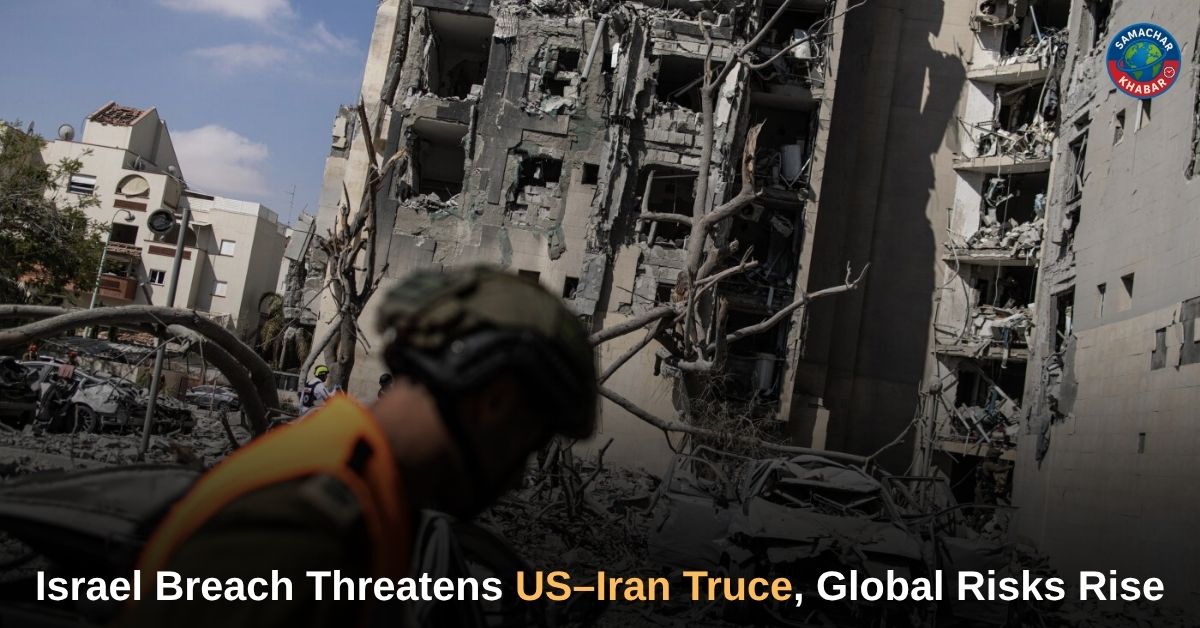
Israel violated the ceasefire which was made between the US and Iran amid rising tensions. This two-week ceasefire between the United States and Iran has halted 40 days of US-Israeli attacks, easing immediate tensions in the Middle East and reopening the Strait of Hormuz, a critical global energy route. The truce, brokered by Pakistan with support from China, Turkiye and Egypt, has provided short-term relief to global oil markets that had surged during the conflict. However, uncertainties around the agreement’s scope, reported violations, and rising coal prices continue to pose risks—especially for India, where coal remains the dominant source of electricity generation despite expanding renewable capacity. Discover all the details in this short article.
Key Takeaways: US-Iran Ceasefire and Global Energy Impact
- Israel attacked Lebanon and broke the ceasefire between US and Iran
- Earlier, Two-week ceasefire halted 40 days of US-Israeli attacks
- Strait of Hormuz was reopened after Iran closed it in retaliation
- Brent crude rose 30%, coal futures increased 18%
- Coal prices take longer to stabilise than oil
- India remains second-largest coal importer after China
- 74% of India’s power generation still coal-based
- Ceasefire was already uncertain with reported violations and unresolved terms
Ceasefire Agreement Halts Escalation but Remains Fragile
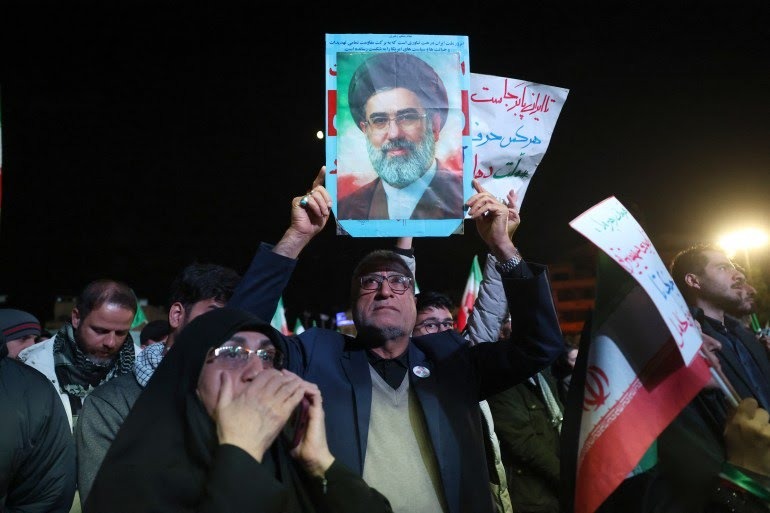
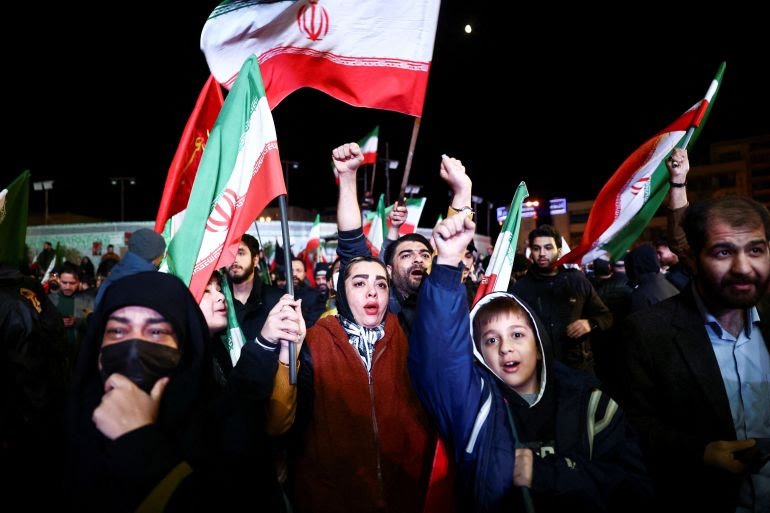
A two-week ceasefire between the United States and Iran has paused a 40-day period of intense conflict involving US and Israeli attacks on Iran that began on February 28. The truce was brokered by Pakistan, with Pakistani Prime Minister Shehbaz Sharif stating that both sides had shown “remarkable wisdom and understanding”.
The agreement followed sustained air strikes, missile exchanges, threats, and unprecedented attacks on Gulf nations that disrupted global shipping routes. Iran, the United Arab Emirates and Kuwait reported attacks within hours of the ceasefire, highlighting concerns over its implementation.
Also Read: US-Iran-Israel Ceasefire Triggers Global Reactions Amid Ongoing Tensions
Political analyst Robert Geist Pinfold said the agreement remains uncertain in scope and execution, noting that “everyone… is claiming victory” while violations continue. He also compared the arrangement to the Gaza ceasefire model, where a formal truce exists despite near-daily violations.
Iran–U.S.–Israel Tensions Escalate Amid Fragile Ceasefire
A fragile ceasefire framework in the Middle East is under strain as Iran accuses both the United States and Israel of violating its terms. Tehran claims that Israeli airstrikes in Lebanon against Hezbollah continued despite the agreement, while also alleging that the U.S. failed to uphold key commitments. In response, Iran has warned of reconsidering closure of Strait of Hormuz once again.
Meanwhile, violence has intensified in Lebanon, with a single day reporting over 180 deaths from Israeli strikes. The situation has also triggered fresh geopolitical tensions, including criticism from U.S. President Donald Trump toward NATO allies, as highlighted by Mark Rutte. Despite the uncertainty, global markets showed optimism, with rising stocks and slightly easing oil prices, reflecting cautious hope for de-escalation.
Strait of Hormuz Was Reopened After Retaliatory Closure
The reopening of the Strait of Hormuz is central to the ceasefire. The waterway carries about one-fifth of the world’s oil and gas and had been closed by Iran in retaliation for the US-Israeli war launched on February 28.
Iran confirmed it would allow the resumption of shipping during the two-week period, easing disruptions that had sent global oil and gas prices sharply higher. Under the agreement, the United States has halted its military strikes for the duration of the truce, while Iran agreed to pause its retaliatory actions if attacks stop. After Israel attacked Lebanon, the Strait of Hormuz may see a closure once again.
Iran’s 10-Point Proposal and Trump’s Shifting Position
US President Donald Trump said Washington had received a 10-point proposal from Iran, describing it as a “workable basis on which to negotiate”. The framework includes:
- Commitment to non-aggression by the United States
- Controlled passage through Hormuz under Iranian coordination
- Acceptance of Iran’s nuclear Uranium enrichment programme
- Lifting of US, UN, and IAEA sanctions and resolutions
- US combat forces should be withdrawn
- Release of frozen Iranian assets abroad
- Compensation for war damages via shipping payments
- Binding ratification through a UN Security Council resolution
However, Trump later indicated that the leaked proposal may differ from the version under negotiation and said “there will be no uranium enrichment”, signalling a harder stance. He also stated that if negotiations fail, the conflict could resume easily.
The United States has not confirmed several key elements of the proposal, including sanctions relief, asset release, control over Hormuz and troop withdrawal. Trump also said China had helped bring Iran to the negotiating table, while Turkiye and Egypt were involved in mediation efforts.
US military officials maintained readiness to resume operations. General Dan Caine said forces were prepared to act if ordered, while Defense Secretary Pete Hegseth warned that Washington stands ready to ensure Iran complies with the ceasefire.
Iran’s Position and Unresolved Disputes
US and Israeli attacks should stop — were the first condition made by Iran for the ceasefire. Foreign Minister Abbas Araghchi stated that Iran’s armed forces would cease defensive operations if attacks were halted.
Iran has maintained that its ballistic missile programme is not open for negotiation, despite previous US demands to curb or dismantle it. Pro-Iran armed factions in Iraq also announced a two-week halt to attacks on “enemy bases” in the region.
Also Read: World War 3 In Making: Iran-Israel War Fueling Global Unrest
Key uncertainties remain, including whether the ceasefire extends to Lebanon, with differing positions reported. Negotiations expected to begin in Islamabad will test whether the current truce can evolve into a more durable agreement.
Oil Surge Drives Coal Prices Higher
The Middle East conflict significantly impacted global energy markets. Brent crude prices rose by 30% since the war began, while coal futures increased by 18%.
Coal acts as a substitute for oil, meaning rising oil prices tend to push coal prices higher. Evidence from the Russia-Ukraine war shows that coal prices take significantly longer to stabilise than oil.
Oil vs Coal Price Movement (Russia-Ukraine War Data)
| Indicator | Oil (Brent) | Coal |
| Feb 23, 2024 | $96.84/barrel | $237.7/tonne |
| March 2, 2024 | $127.98 | $440 |
| Stabilisation | 105 sessions | Over 215 sessions |
Even after a full year, coal prices remained above $400, highlighting prolonged market pressure.
India’s Coal Dependence and Import Exposure
India remains highly exposed to global coal price fluctuations. It is the world’s second-largest coal importer after China.
According to International Energy Agency estimates for 2026:
- China: 425 million tonnes
- India: 205 million tonnes
- Followed by Japan and South Korea
Despite a rise in renewable capacity to over 50% of installed capacity, coal continues to dominate actual power generation.
India Energy Mix (February 2026, Central Electricity Authority)
- Over 50% installed capacity from green energy
- 74% of power generation from coal-based thermal energy
Lower efficiency in renewable energy means coal remains critical to electricity supply.
Inflation and Energy Risks Remain Elevated
If the conflict resumes, it will significantly impact India’s energy availability. Rising oil and coal prices have the potential to induce inflation in the Indian economy.
While the ceasefire has eased immediate pressure on energy markets, uncertainties around its implementation, ongoing violations, and unresolved negotiations continue to pose risks. The outcome of upcoming talks will be crucial in determining whether stability can be sustained.
Fragile Truce Leaves Global Energy Outlook Uncertain
The US-Iran ceasefire has reduced immediate geopolitical tensions and restored access to a key global energy route, but the agreement remains fragile. Continued violations, unresolved disputes, and differing interpretations of the deal underline the uncertainty ahead. For coal-dependent economies such as India, the delayed stabilisation of coal prices alongside volatile oil markets presents ongoing challenges. The coming negotiations will determine whether the ceasefire evolves into a lasting agreement or remains a temporary pause in a broader conflict.
Spiritual Reflection on Peace and Truth
The developments around the US-Iran ceasefire highlight the consequences of prolonged conflict and the importance of stability, restraint, and mutual understanding. Religious teachings across traditions, including references found in sacred texts such as the Gita and the Quran, emphasise peace, unity, and devotion to one Supreme Power rather than conflict.
In this context, Tatvdarshi Saint Rampal Ji Maharaj presents a path of true spiritual Knowledge, guiding individuals towards understanding what is right and wrong through devotion to the Supreme God Kabir Sahib. Through initiatives like the Annapurna Muhim, He promotes service and unity, encouraging harmony beyond divisions. Such teachings align with the broader message that lasting peace emerges from spiritual awareness and collective responsibility.
Today, world peace is not possible through any political negotiations but can only be made possible through the teachings and power in the word of a Complete Saint Who is none other than Sant Rampal Ji Maharaj.
In order to discover the life-changing teachings and identifications of a Complete Saint, visit the following platforms.
Website: www.jagatgururampalji.org
YouTube: Sant Rampal Ji Maharaj
Facebook: Spiritual Leader Saint Rampal Ji
X (Twitter): @SaintRampalJiM
FAQs on US-Iran Ceasefire and Energy Impact
1. What is the US-Iran ceasefire?
A two-week agreement halting US and Israeli attacks on Iran and pausing Iranian retaliation.
2. Why is the Strait of Hormuz important?
It carries about one-fifth of global oil and gas, making it vital for energy supply.
3. How did the war affect energy prices?
Oil rose 30% and coal futures increased 18% during the conflict.
4. Why is India affected by coal prices?
India imports large volumes of coal and generates 74% of power from thermal energy.
5. Is the ceasefire stable?
No, violations and unresolved terms make the agreement uncertain.