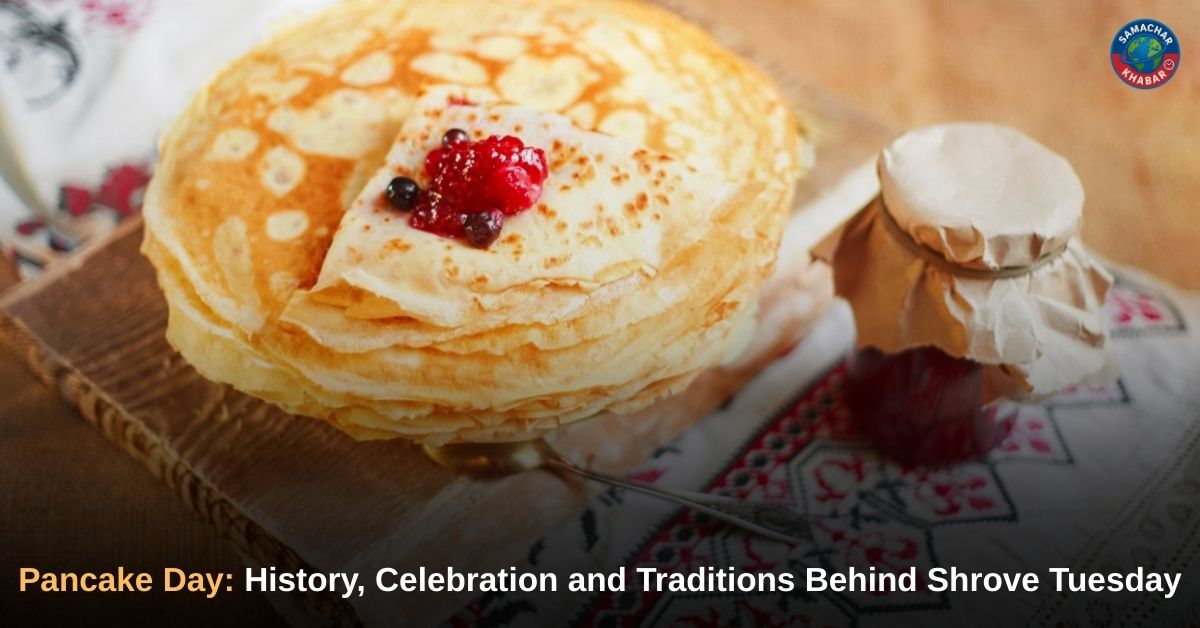
Pancake Day, also known as Shrove Tuesday, continues to hold a unique place in cultural and religious traditions across the United Kingdom and many parts of the world. Marking the day before the beginning of Lent, it combines centuries-old religious customs with modern community celebrations, charity events and family gatherings. In 2026, Pancake Day falls on Tuesday, 17 February, bringing together historical meaning, festive traditions and contemporary celebrations.
From the ringing of the Pancake Bell and historic races in English towns to lively events across London, the day reflects how a simple tradition rooted in faith has evolved into a widely enjoyed annual occasion.
Key Highlights of Pancake Day 2026: History, Traditions and Celebrations Explained
- Pancake Day, or Shrove Tuesday, takes place on 17 February 2026, always falling 47 days before Easter Sunday.
- The day originates from Christian traditions of confession and preparation before the 40-day fasting period of Lent.
- Pancakes were traditionally made to use up ingredients such as eggs, milk and fats before fasting began.
- Historic customs such as pancake races, skipping traditions and Shrovetide football continue in several UK towns.
- Modern celebrations include charity races, community events and family gatherings across London and other cities.
- The occasion is celebrated internationally under different names, including Mardi Gras in France.
The Historical Origins of Shrove Tuesday and Its Religious Meaning
The roots of Pancake Day lie in the Christian calendar, where Shrove Tuesday marked the final day before Lent. Lent is a 40-day period of fasting, repentance and reflection leading up to Easter. The word “shrove” comes from the Old English term meaning to confess sins and receive absolution. Historically, Anglo-Saxon Christians attended confession on this day after being summoned by the ringing of a bell, later known as the “Pancake Bell,” a tradition that still survives in some places today.
Because Lent required people to abstain from rich foods such as eggs, milk and fats, households used these ingredients before the fasting period began. Pancakes became the perfect solution, transforming a practical necessity into a lasting tradition. Historical records show pancakes appearing in cookery books as early as 1439, highlighting their long-standing role in British food culture.
Symbolism Behind the Pancake and the Transition from Feasting to Fasting
Beyond being a simple dish, pancakes have traditionally carried symbolic meaning connected to the season of Lent. The ingredients were often seen to represent important values:
- Eggs — Creation
- Flour — The staff of life
- Salt — Wholesomeness
- Milk — Purity
This symbolism reflects the transition from indulgence to reflection, marking the movement from feasting towards the restraint associated with Lent.
Pancake Races and Customs That Shaped the Tradition
Over centuries, Shrove Tuesday developed into a lively celebration filled with distinctive customs. One of the best-known examples is the Olney Pancake Race in Buckinghamshire, believed to date back to 1445. According to tradition, a woman ran to church while still carrying her frying pan after hearing the shriving bell, inspiring a race that continues today with participants running while flipping pancakes and wearing aprons and head coverings.
Other long-standing customs include the Westminster School “Pancake Grease,” where students compete to grab pieces of a large pancake tossed over a high bar, and the communal skipping tradition in Scarborough, Yorkshire. Shrove Tuesday was also historically associated with mob football games dating back to at least the 12th century, with towns such as Ashbourne continuing these energetic matches as part of local heritage.
Pancake Day 2026 Events Across London and the United Kingdom
In 2026, Pancake Day celebrations once again bring communities together through races and public events. The Leadenhall Market Pancake Day Race, organised by The Lamb Tavern, returns on 17 February, inviting teams of four to compete in relay races along the market’s cobbled walkways while flipping pancakes. The winning team earns their name engraved on the Golden Frying Pan trophy, alongside prizes including hampers and vouchers.
The Inter-Livery Pancake Race at Guildhall Yard brings together members of City Livery Companies and local workers in a charity-focused competition, while Greenwich Market hosts a community race supporting hospice fundraising. At Marlborough Sports Garden, the Better Bankside Pancake Day Race encourages workplace teams to compete while raising funds for local charitable initiatives.
Beyond London, Buckingham’s annual pancake race offers categories for all ages and abilities, emphasising community participation. In Liverpool, the historic chefs’ pancake race returns to the gardens of Liverpool Parish Church, where leading chefs compete for an engraved pancake pan.
From Religious Observance to Family and Community Celebration
Although its origins lie in religious observance, Pancake Day has gradually become a broader cultural celebration. Families often mark the day with pancake breakfasts, creative toppings and home activities, making it an opportunity for shared experiences across generations. The tradition encourages togetherness, creativity and participation, whether through cooking at home or attending local events.
Pancakes themselves have evolved beyond traditional recipes, with modern variations reflecting changing tastes while preserving the spirit of the celebration. From classic lemon and sugar toppings to contemporary savoury and alternative options, the day continues to adapt while maintaining its historical foundation.
A Tradition That Continues to Bring Communities Together
Pancake Day remains a celebration that connects history, faith and modern life. From Anglo-Saxon confession rituals and medieval customs to today’s charity races and family gatherings, Shrove Tuesday continues to demonstrate how traditions can evolve while preserving their original purpose.
Whether observed through religious reflection, community participation or simply sharing pancakes with loved ones, the occasion endures as a reminder of the lasting power of shared cultural traditions that unite people across generations.
FAQs on Pancake Day 2026: History, Celebration and Traditions Behind Shrove Tuesday
1. When is Pancake Day 2026 and why does the date change every year?
Pancake Day 2026 falls on 17 February. The date changes annually because it is determined by Easter Sunday, occurring 47 days before Easter and immediately before Lent begins.
2. Why is Pancake Day also called Shrove Tuesday?
Shrove Tuesday comes from the word “shrive,” meaning confession and absolution. Traditionally, Christians confessed sins before Lent, making it the final feast day before fasting and reflection began.
3. Why are pancakes eaten on Shrove Tuesday?
Pancakes were traditionally made to use up eggs, milk and fats before Lent, when rich foods were avoided. Over time, this practical practice became a popular annual tradition.
4. What are pancake races and where did they originate?
Pancake races are traditional Shrove Tuesday events where participants run while flipping pancakes. The famous Olney Pancake Race reportedly began in 1445 after a woman ran to church carrying her frying pan.
5. How is Pancake Day celebrated today?
Today, Pancake Day is celebrated through community races, charity events, family cooking and social gatherings, combining historic traditions with modern cultural celebrations across the UK and other countries.