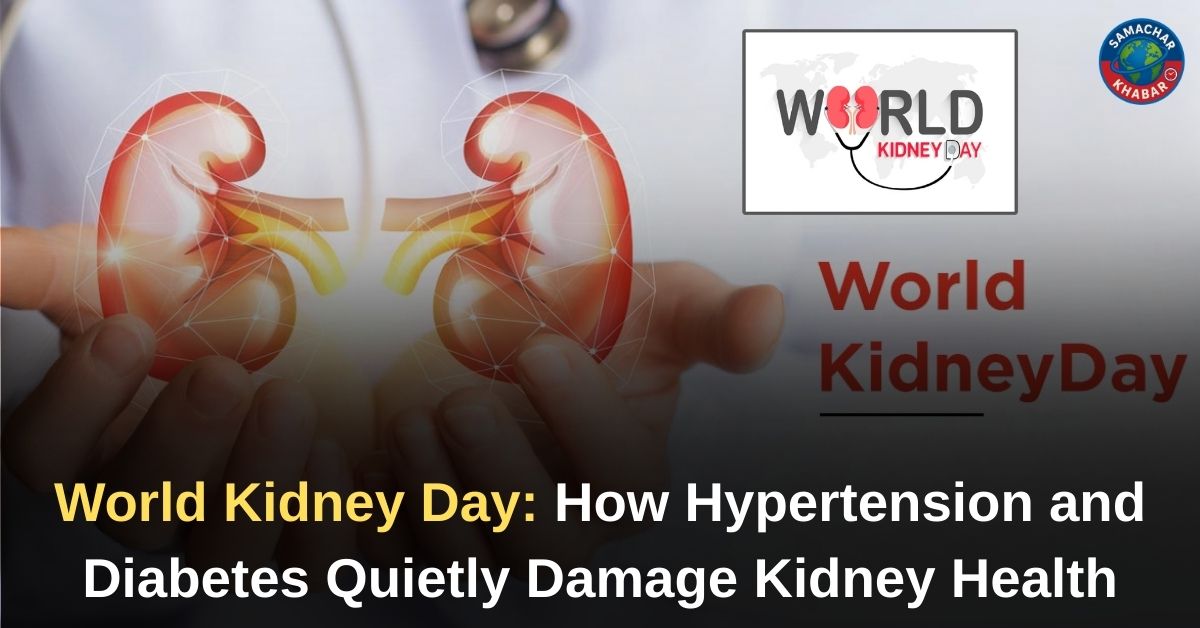
World Kidney Day 2026, observed on March 12, draws global attention to the growing burden of kidney diseases and the importance of early detection and prevention. Diabetes and high blood pressure remain two of the most common chronic conditions that can silently damage kidney function over time. Health experts warn that prolonged exposure to high blood sugar and elevated blood pressure can harm the delicate blood vessels in the kidneys, eventually leading to chronic kidney disease (CKD). The global awareness campaign highlights the importance of screening, understanding warning signs, and adopting healthy lifestyle practices to protect kidney health and prevent long-term complications.
Key Takeaways: World Kidney Day 2026 and Kidney Health Risks
- World Kidney Day 2026 is observed on March 12 to raise awareness about kidney health and disease prevention.
- The 2026 theme is “Kidney Health for All — Caring for People, Protecting the Planet.”
- Diabetes and high blood pressure are major risk factors for chronic kidney disease.
- Kidney damage often develops silently in early stages, making early detection crucial.
- Conditions such as renal artery stenosis can worsen hypertension and affect kidney function.
- Early symptoms may include fatigue, swelling, urinary changes, and puffiness around the eyes.
- Experts recommend blood pressure control, blood sugar management, regular screening, and healthy lifestyle habits to reduce kidney disease risk.
Understanding the Importance of World Kidney Day 2026
World Kidney Day is an annual global awareness campaign organised by the World Health Organisation (WHO) and the International Society of Nephrology. Observed on March 12, the day serves as a reminder of the essential functions performed by the kidneys and the importance of protecting these vital organs.
The kidneys play a crucial role in maintaining overall health. They filter toxins from the blood, maintain fluid balance and regulate blood pressure. Despite their importance, kidney health often receives little attention until problems arise.
The 2026 theme, “Kidney Health for All — Caring for People, Protecting the Planet,” highlights the close connection between human health and environmental factors. The campaign emphasises how environmental issues such as pollution and rising temperatures can influence kidney health while also encouraging sustainable healthcare practices and early disease detection.
The goal of the initiative is to increase awareness of kidney diseases, encourage preventive healthcare, and ensure more people receive early diagnosis and treatment.
Also Read: Sepsis After Dog Lick: How a UK Woman Lost Four Limbs — Warning Signs and Prevention Steps
Global Burden of Chronic Kidney Disease
According to the World Health Organization (WHO), chronic kidney disease affects hundreds of millions of people worldwide. Many individuals remain unaware of the condition because symptoms often appear only in later stages.
Kidney diseases are closely linked to metabolic disorders, particularly diabetes and hypertension. These conditions gradually damage the blood vessels responsible for filtering waste from the bloodstream.
Doctors note that the damage usually occurs silently over many years, making routine health check-ups essential for people with risk factors such as high blood sugar or elevated blood pressure.
Early detection and management can significantly reduce the risk of severe complications, including kidney failure.
Why High Blood Pressure Poses a Serious Risk to Kidneys
The kidneys contain millions of tiny filtering units known as nephrons. These structures depend on an extensive network of small blood vessels to remove toxins and maintain fluid balance in the body.
When blood pressure remains elevated for long periods, it places excessive strain on these blood vessels. Over time, the vessel walls can become damaged or hardened, reducing their ability to function effectively.
Similarly, high blood sugar associated with diabetes can thicken the vessel walls and reduce filtration efficiency.
According to the American Heart Association (AHA), uncontrolled hypertension can cause arteries around the kidneys to narrow, weaken or harden, leading to several complications:
- Reduced blood supply to kidney tissue
- Impaired filtration of waste products
- Increased risk of kidney failure
Kidney disease and hypertension can also reinforce each other, creating a cycle where kidney damage further raises blood pressure.
The Role of Renal Artery Stenosis in Hypertension
In some cases, kidney-related blood vessel conditions can worsen high blood pressure.
Also Read: छोटी आदतें, बड़ी सुरक्षा: अपनी किडनी को स्वस्थ रखने के 10 प्रभावी उपाय
Dr Anup Gulati, Director, Urology, Fortis Escorts Hospital Faridabad, explains that renal artery stenosis is an important but often overlooked cause of hypertension.
Renal artery stenosis occurs when the arteries supplying blood to the kidneys become narrowed or blocked, reducing blood flow. As a result, the kidneys release hormones that raise blood pressure.
Dr Gulati notes that imaging techniques such as colour Doppler scans of the kidneys can reveal narrowing in the kidney arteries that contributes to hypertension.
Other diagnostic methods used to detect the condition include:
- Doppler ultrasound
- CT scans
- Angiography
Identifying such vascular issues early can help prevent further kidney damage and improve blood pressure management.
Early Warning Signs of Kidney Disease
Chronic kidney disease often develops gradually and may remain unnoticed until the condition has progressed.
However, several early symptoms may indicate declining kidney function.
Common warning signs include:
- Fatigue or weakness caused by toxin accumulation
- Urinary problems, including protein leakage into urine
- Increased urination, particularly at night
- Puffiness around the eyes due to fluid imbalance
- Swelling in the hands, feet or ankles
These symptoms occur because reduced kidney function can lead to fluid retention and difficulty filtering waste from the body.
The World Health Organization advises regular health check-ups for people with diabetes or hypertension to detect kidney damage early.
Also Read: Medical Science and Its Wonders Transforming Health, Healing, and Human Life
Steps to Protect Kidney Health
Medical experts say that managing underlying health conditions and adopting healthy habits can significantly reduce the risk of kidney disease.
Important preventive measures include:
- Control blood sugar levels: Stable glucose levels help protect kidney blood vessels from damage.
- Manage blood pressure: Keeping blood pressure within healthy limits protects kidney function.
- Regular kidney screening: Tests such as urine protein checks and blood creatinine tests can detect early damage.
- Maintain a healthy lifestyle: Balanced diets, regular exercise and avoiding smoking support both heart and kidney health.
- Follow medical advice: Consistent medication use and routine monitoring are essential for high-risk individuals.
Routine screening is particularly important for people already diagnosed with diabetes or hypertension.
Growing Awareness for Kidney Protection
World Kidney Day continues to play an important role in promoting awareness about kidney health and disease prevention. By highlighting the relationship between chronic conditions such as diabetes and hypertension and kidney damage, the campaign encourages individuals to take preventive action.
Experts stress that early detection and proper management of blood sugar and blood pressure can significantly reduce the likelihood of kidney disease and its complications. Through regular screening, improved awareness and healthier lifestyle choices, individuals can protect kidney function and maintain long-term health.
Spiritual Perspective on Healing and Faith
Kidney-related problems, including kidney stones and other kidney disorders, have become increasingly common today. Such conditions often affect a person’s daily life, causing pain, fatigue and difficulty performing routine activities. In many cases, prolonged illness can lead to additional health complications and serious suffering.
Spiritual teachings emphasise that alongside medical awareness and preventive care, faith and spiritual discipline also play an important role in a person’s overall well-being. According to followers of Tatvdarshi Saint Rampal Ji Maharaj, He is regarded as the present-time Avatar of Poorn Parmatma Kabir Sahib, who explains the path of Shastra-Anukul Bhakti Sadhana (scripturally aligned worship).
Devotees say that when individuals come into His refuge and practise the spiritual method explained by Him, many difficulties in life, including certain illnesses, are believed to improve through divine grace. Followers often share examples where people who received Naam Diksha from Saint Rampal Ji Maharaj Ji experienced relief from kidney-related problems such as kidney stones without requiring extensive medical treatment.
These accounts reflect a spiritual belief that while modern medicine plays an important role in diagnosis and treatment, the power of the Supreme God Kabir Sahib is considered by devotees to extend beyond the limits of medical science. In this perspective, both healing and recovery are ultimately seen as occurring through divine will.
For more information visit our
Website:www.jagatgururampalji.org
YouTube: Sant Rampal Ji Maharaj
Facebook: Spiritual Leader Saint Rampal Ji
X (Twitter): @SaintRampalJiM
FAQs on World Kidney Day 2026
1. What is World Kidney Day 2026?
World Kidney Day 2026 is a global awareness event observed on March 12 to promote kidney health and encourage early detection of kidney diseases.
2. What is the theme of World Kidney Day 2026?
The theme is “Kidney Health for All — Caring for People, Protecting the Planet.”
3. How do high blood pressure and diabetes affect kidneys?
Both conditions damage kidney blood vessels over time, reducing their ability to filter waste and increasing the risk of chronic kidney disease.
4. What is renal artery stenosis?
Renal artery stenosis is the narrowing of arteries supplying blood to the kidneys, which can raise blood pressure and affect kidney function.
5. What are common early signs of kidney disease?
Early signs include fatigue, swelling, urinary changes, puffiness around the eyes and frequent urination, especially at night.