
Modern life has brought convenience, connectivity, and speed, but it has also introduced chronic stress, mental overload, physical inactivity, and nutritional imbalance. Across age groups, people report symptoms such as constant fatigue, lack of focus, low motivation, mood swings, and declining physical stamina.
Health experts now emphasize that wellness must be holistic, addressing both the mind and the body together. Rather than extreme diets or intense fitness programs, short structured wellness plans are emerging as effective and sustainable solutions.
One such approach is the 5-Day Mind–Body Wellness Plan, a simple yet impactful framework designed to improve cognitive sharpness, cardiovascular health, hydration, gentle physical fitness, and long-term brain resilience. Each day focuses on one specific goal, making the plan easy to follow and adaptable to different lifestyles.
Day 1: Brain Exercises: Strengthening Cognitive Sharpness
Objective: Cognitive Sharpness Enhancement
The first day is dedicated to mental stimulation through brain exercises. Cognitive sharpness refers to the brain’s ability to focus, remember, analyze information, and respond efficiently.
Why Brain Exercises Are Essential:
- With constant screen exposure and multitasking, the brain rarely gets deep, focused engagement. Over time, this weakens memory, attention span, and problem-solving ability.
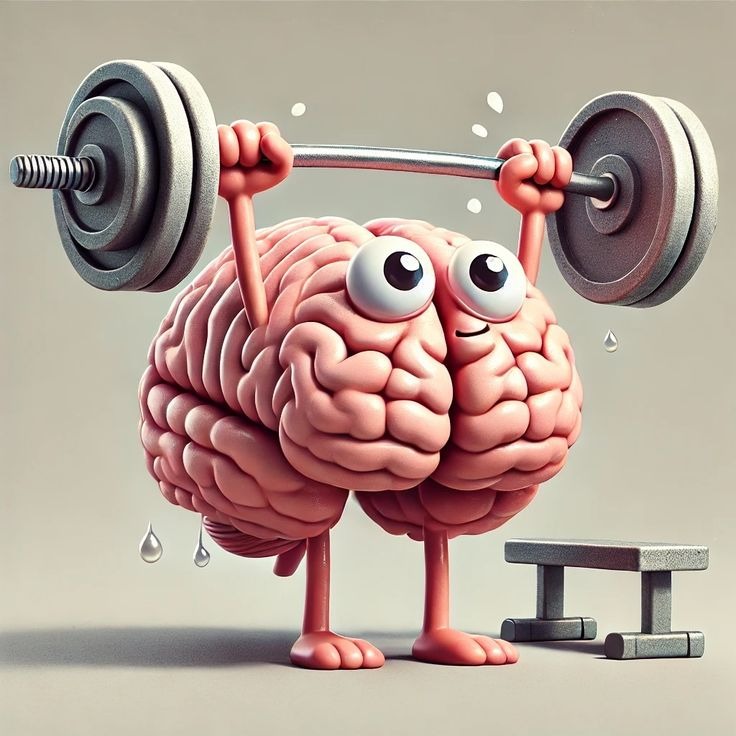
Brain exercises activate neural pathways and encourage neuroplasticity, allowing the brain to form stronger and more flexible connections.
Benefits of Brain Exercises
- Improved concentration
- Faster information processing
- Better memory retention
- Reduced mental fatigue
Simple activities such as puzzles, reading, memory recall, or logical challenges can significantly enhance mental performance when practiced consistently.
Day 2: Walking Challenge – Improving Heart Health and Mood
Objective: Cardiovascular Health and Mood Improvement
Walking is one of the most accessible and underestimated forms of exercise. Day 2 introduces a walking challenge to promote heart health and emotional balance.
Physical Benefits
- Walking improves blood circulation, strengthens the heart, regulates blood pressure, and supports weight management.
Mental Health Impact
- Walking is associated with improved mood and increased activity of neurotransmitters like serotonin and dopamine. Mental health professionals often recommend walking to reduce stress, anxiety, and emotional exhaustion.
A consistent walking habit improves oxygen supply to the brain, enhancing alertness and cognitive clarity.
Day 3: Hydration Foods – Supporting Body and Brain
Objective: Hydration and Nutrition Enhancement
Hydration is crucial for both physical and mental performance. Day 3 emphasizes hydration through water-rich foods instead of relying only on liquid intake.
Why Hydration Foods Matter
Mild dehydration often goes unnoticed but can cause headaches, poor concentration, and fatigue. Foods like fruits and vegetables provide hydration along with essential nutrients.
Benefits of Hydration Foods
- Improved digestion
- Better brain function
- Enhanced skin health
- Stable energy levels
Since the brain is largely composed of water, proper hydration directly supports memory, focus, and emotional regulation.
Day 4: Low-Impact Workout – Gentle Physical Fitness
Objective: Sustainable Physical Fitness
Low-impact workouts focus on gentle movement without stressing joints or muscles. These exercises are suitable for beginners, older adults, and people recovering from injury.

Image: Physical Fitness Workout
Key Advantages:
- Improved flexibility and balance
- Reduced risk of injury
- Better posture and mobility
- Enhanced sleep quality
Unlike intense workouts that often lead to burnout, low-impact fitness promotes consistency and long-term adherence.
Day 5: Morning Brain-Supportive Routine – Building Cognitive Resilience
Objective: Long-Term Cognitive Resilience
The final day focuses on establishing a morning routine that supports long-term brain health.
Importance of Morning Habits:
Morning routines regulate the nervous system, improve emotional control, and enhance focus for the rest of the day.
Common brain-supportive practices include:
- Mindful breathing
- Light stretching
- Reflection or journaling
- Goal setting
Long-Term Impact:
Cognitive resilience helps individuals handle stress, adapt to challenges, and maintain mental clarity over time. Strong routines may help reduce the risk of burnout and support healthy cognitive aging.
Outcome:
Wellness Through Simplicity
The 5-Day Mind–Body Wellness Plan demonstrates that health improvements do not require drastic changes. By focusing on small, intentional daily actions, individuals can achieve noticeable improvements in mental clarity, emotional stability, and physical well-being.
Also Read: Healthy Man Suffers Stroke After Excessive Energy Drink Use
This approach encourages balance, sustainability, and self-awareness, making it suitable for people of all ages and lifestyles. In a world increasingly affected by stress and burnout, such wellness models offer a realistic path toward healthier living.
Role of Sant Rampal Ji Maharaj in Mental and Physical Health:
Sant Rampal Ji Maharaj emphasizes that true mental and physical peace is not achieved only through external wellness practices but through correct spiritual knowledge (Tatvagyan) and disciplined living. According to His teachings, when a person follows a simple, regulated lifestyle free from addictions, excess desires, and mental conflicts, the mind naturally becomes stable and stress reduces.
Sant Rampal Ji Maharaj guides devotees to adopt balanced daily routines, pure vegetarian food, self-control, and correct devotion, which together help in reducing anxiety, fear, and emotional restlessness. This spiritual discipline can strengthen inner confidence, improve emotional resilience, and support physical well-being, because a calm mind directly influences bodily health. For deeper understanding and practical guidance, everyone should read the books of Sant Rampal Ji Maharaj, such as Gyan Ganga and Jeene Ki Raah.
FAQs
Who can follow the 5-Day Mind–Body Wellness Plan?
Anyone can follow it – students, working professionals, older adults, or individuals recovering from mental or physical fatigue.
Does this plan require special equipment?
No. The plan relies on simple activities like walking, brain exercises, hydration foods, and gentle movement.
Can this plan be repeated?
Yes. The 5-day cycle can be repeated weekly or adapted into a long-term routine.
How much time does each day require?
Most activities take 20–40 minutes per day, making it suitable for busy schedules.
Is this plan suitable for beginners?
Absolutely. The plan is designed to be beginner-friendly and non-intimidating.
Can it improve mental health?
Yes. The plan supports mood regulation, stress reduction, focus, and emotional balance.