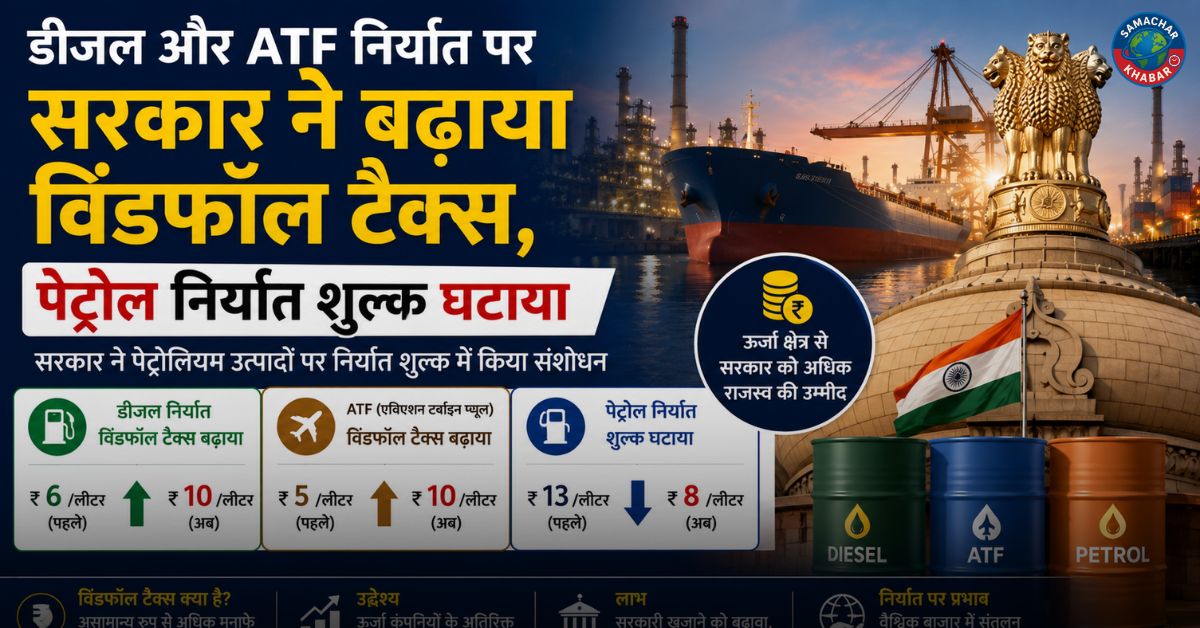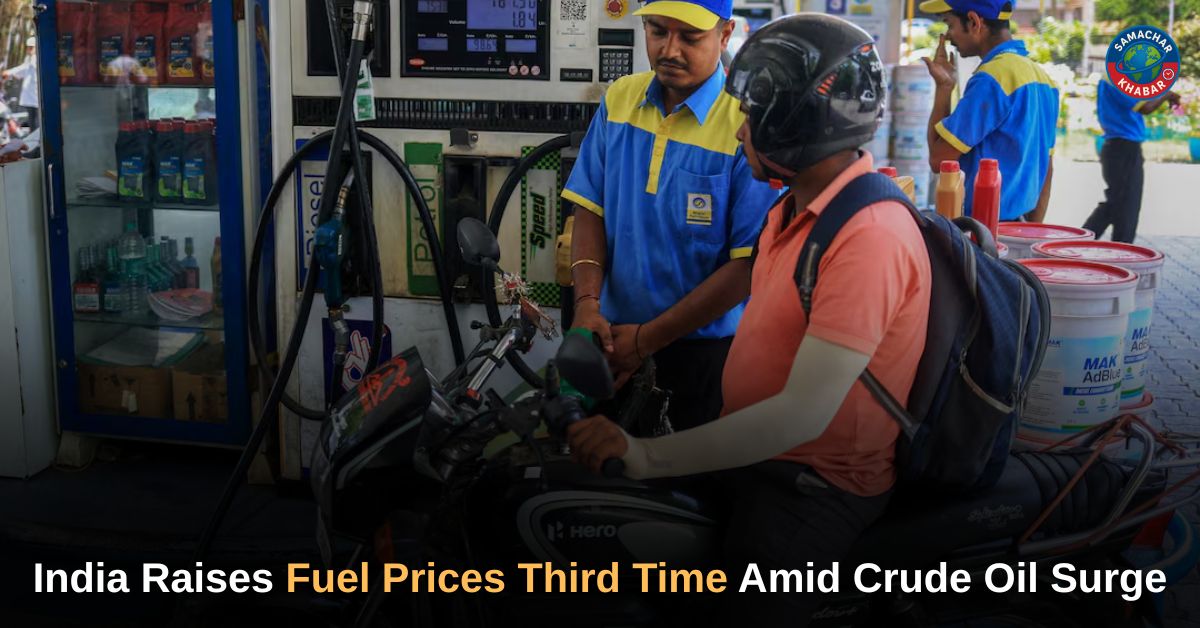
India’s state-run fuel retailers on Saturday raised petrol and diesel prices for the third time this month as oil marketing companies sought to recover losses caused by elevated global crude oil prices linked to the ongoing conflict in West Asia. According to Reuters, petrol prices in New Delhi rose by ₹0.87 per litre to ₹99.51, while diesel prices increased by ₹0.91 per litre to ₹92.49.
The latest increase comes after earlier hikes on May 15 and May 19, taking the cumulative rise in fuel prices to nearly ₹5 per litre within less than 10 days.
Key Takeaways on India Fuel Price Hike 2026
- Petrol and diesel prices were increased for the third time in less than 10 days
- Petrol in New Delhi rose to ₹99.51 per litre
- Diesel in New Delhi increased to ₹92.49 per litre
- Fuel prices were first raised by ₹3 per litre on May 15
- Another hike of around 90 paise followed on May 19
- India’s crude basket surged from around $69 per barrel in February to nearly $113–114
- Global oil prices had crossed $120 per barrel before easing to around $100–105
- Oil companies are reportedly facing losses of ₹17–18 per litre
- BPCL chairman said the company still loses ₹25–30 per litre on diesel
- Analysts warned further fuel price hikes could follow
Fuel Prices Rise Again Amid Crude Oil Volatility
State-run fuel retailers raised petrol and diesel prices by less than ₹1 per litre on Saturday, marking the third increase this month. According to dealers cited by Reuters, petrol prices in New Delhi were increased by ₹0.87 per litre to ₹99.51, while diesel prices rose by ₹0.91 to ₹92.49 per litre.
Also Read: SSC CGL 2026 Notification Released for 12,256 Vacancies; Registration Begins
This follows an earlier increase of around 90 paise per litre on May 19, which itself came days after a ₹3 per litre hike on May 15. In total, fuel prices have risen by almost ₹5 per litre since May 15.
West Asia Conflict and Strait of Hormuz Concerns
The price increases were linked to elevated global crude oil prices amid the ongoing conflict in West Asia and concerns surrounding the Strait of Hormuz. Reports said global oil prices had surged to more than $120 per barrel before easing to around $100–105 per barrel following severe disruption and near-closure concerns around the strategic shipping route.
India, which imports close to 90 per cent of its crude oil requirements, remains highly vulnerable to fluctuations in international energy markets. Reuters reported that India’s crude basket, which averaged around $69 per barrel in February, climbed to nearly $113–114 per barrel in recent months.
Oil Marketing Companies Continue to Face Losses
Financial services firm Emkay Global estimated that oil marketing companies (OMCs) were losing ₹17–18 on every litre of fuel sold even after the Centre reduced excise duty on fuel imports by ₹10 per litre on March 27, 2026.
The report stated, “We expect hikes of ₹10/lt to cover roughly 50% of under-recoveries, either in one shot or via creeping hikes over 2-3 weeks.” It further estimated that OMCs could post losses of ₹570–580 billion, or ₹57,000–58,000 crore, during the current quarter.
Madan Sabnavis, Chief Economist at Bank of Baroda, earlier told Livemint that a rise in petrol and diesel prices was “inevitable” given the losses being incurred by OMCs. He also indicated that additional price hikes could follow because the current increase may not fully compensate for company losses.
BPCL, IOC and HPCL Control Majority Fuel Network
Bharat Petroleum Corporation Limited (BPCL), Indian Oil Corporation (IOC) and Hindustan Petroleum Corporation Limited (HPCL) together control more than 90 per cent of India’s network of 103,000 fuel stations and typically revise prices in tandem.
Reuters reported that BPCL chairman said earlier this week that the company continued to incur revenue losses of ₹25–30 per litre on diesel and ₹10–14 per litre on petrol despite recent price hikes.
India’s oil ministry has stated that the government currently has no plans to provide financial support to refiners.
Fuel Prices Had Remained Stable Since 2022
Retail fuel prices had remained largely unchanged since April 2022, except for a one-time reduction of ₹2 per litre in March 2024 ahead of the Lok Sabha elections.
State-run oil marketing companies had halted daily fuel price revisions in 2022 to protect consumers from global crude volatility following Russia’s invasion of Ukraine. Reuters reported that companies had maintained stable fuel prices for nearly 11 weeks despite rising input costs before gradually passing on part of the increase once operations became financially unsustainable.
India is also among the last major economies to increase retail fuel prices following disruptions linked to the Iran conflict and Strait of Hormuz shipping concerns.
Analysts Warn More Fuel Price Hikes May Follow
Analysts at Emkay Global said fuel prices could rise by as much as ₹10 per litre in the near term as oil companies attempt to recover mounting losses caused by higher crude prices.
The report suggested that the increase could either be implemented in one phase or through smaller revisions over the next two to three weeks. Analysts also warned that sustained global crude volatility may continue to pressure domestic fuel prices in the coming weeks.
Fuel Price Pressures Continue to Impact India’s Energy Market
The latest increase in petrol and diesel prices reflects the growing pressure on India’s energy sector as global crude markets remain volatile amid geopolitical tensions in West Asia. State-run oil companies have already implemented three rounds of fuel price hikes within less than 10 days after maintaining a long freeze on retail prices. With oil marketing companies continuing to report significant under-recoveries and analysts forecasting further increases, fuel pricing remains closely tied to developments in international crude oil markets and disruptions around the Strait of Hormuz.
Spiritual Perspective on Material Uncertainty
The continued rise in fuel prices amid global conflict and economic uncertainty also reflects how deeply daily life remains connected to changing material conditions across the world. Financial pressures linked to energy, trade and international tensions often affect ordinary households first. Spiritual teachings across traditions have consistently emphasised the importance of balance, patience and responsible living during uncertain times.
Tatvadarshi Sant Rampal Ji Maharaj also explains through His Spiritual Knowledge that lasting peace and stability come from understanding true spiritual wisdom alongside worldly responsibilities.
For more information visit our
Website: www.jagatgururampalji.org
YouTube: Sant Rampal Ji Maharaj
Facebook: Spiritual Leader Saint Rampal Ji
‘X’ handle: @SaintRampalJiM
FAQs on India Fuel Price Hike 2026
1. Why were petrol and diesel prices increased in India?
Fuel prices were raised due to elevated global crude oil prices linked to the ongoing conflict in West Asia and Strait of Hormuz disruptions.
2. How much did petrol and diesel prices increase in Delhi?
Petrol rose by ₹0.87 to ₹99.51 per litre, while diesel increased by ₹0.91 to ₹92.49 per litre.
3. How many times were fuel prices increased in May 2026?
Fuel prices were increased three times since May 15, including hikes on May 15, May 19 and May 23.
4. Which companies control most fuel stations in India?
BPCL, Indian Oil Corporation and Hindustan Petroleum Corporation control over 90% of India’s 103,000 fuel stations.
5. Are more fuel price hikes expected in India?
Analysts at Emkay Global and economists indicated that more hikes could follow as oil companies continue facing heavy losses.