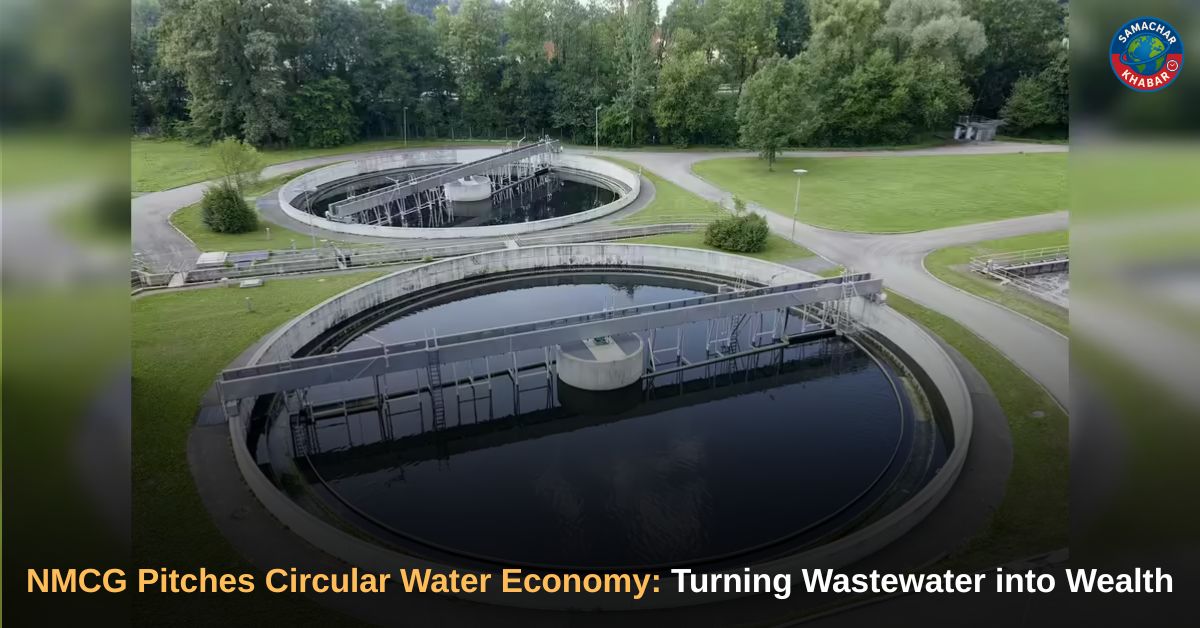
As we head into the peak of summer, the glaring reality of India’s water crisis is once again front and center. Major cities are grappling with depleted groundwater levels, while industries struggle to secure consistent water supplies. In response to this escalating challenge, the National Mission for Clean Ganga (NMCG) is aggressively pivoting its strategy. Rather than just focusing on cleaning the river, the nodal agency is now pitching a highly ambitious “Circular Water Economy” model.
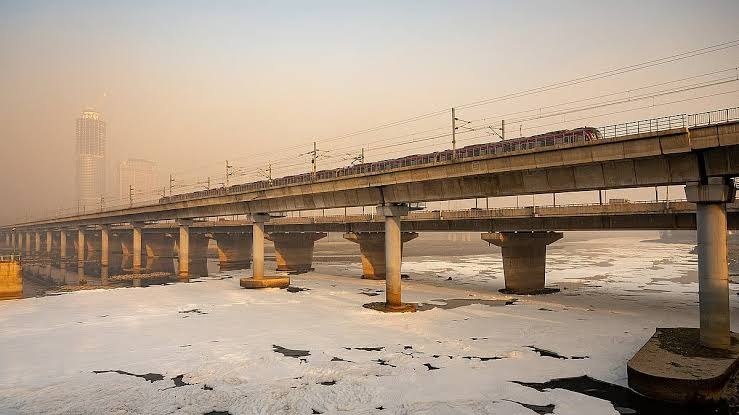
The core philosophy is simple yet transformative: wastewater should no longer be treated as a liability to be dumped, but rather as a highly valuable, monetizable resource. By connecting treated sewage water to industrial and agricultural consumers, the government aims to drastically reduce the strain on freshwater ecosystems while creating a self-sustaining financial model for wastewater management.
Key Points at Glance
- The Circular Shift: NMCG is moving beyond the traditional linear model of “use and discard” to a circular model of “treat, recycle, and reuse.”
- Industrial Integration: Treated wastewater from Sewage Treatment Plants (STPs) is being actively pitched to thermal power plants, textile hubs, and refineries for non-potable uses like cooling and washing.
- Monetizing Sludge: The solid waste (sludge) generated during water treatment is being converted into nutrient-rich organic manure for farmers, creating an additional revenue stream.
- The Execution Hurdle: While the policy looks great on paper, experts warn that the lack of dedicated pipeline infrastructure to transport treated water from STPs to industrial zones remains a massive bottleneck.
- The Spiritual Dimension: Recognizing the divine origins of the Ganga, spiritual leaders remind us that true purity and immortality exist beyond this perishable physical world.
Redefining the Value of Wastewater
Under the Namami Gange initiative, the government has already invested thousands of crores in building a massive network of STPs along the Ganga basin. However, running and maintaining these plants requires heavy, continuous capital. This is where the circular economy steps in.
Instead of letting millions of liters of treated, clean water flow back into the rivers without serving an immediate human need, the NMCG is creating a marketplace for it. For instance, thermal power plants require colossal amounts of water for their cooling towers. By mandating or incentivizing these plants to buy treated wastewater, the government achieves two goals simultaneously: it saves millions of liters of precious groundwater and generates a steady income to maintain the STPs.
”Water is an economic good,” notes an environmental policy analyst. “If industries pay for treated wastewater, the STPs become financially self-sustaining assets rather than massive liabilities for the local municipalities.”
The Challenges on the Ground
While the vision is highly progressive, a balanced look at the ground reality reveals significant challenges. The biggest hurdle is the infrastructure gap. STPs are usually located near urban residential centers, while heavy industries operate on the outskirts or in specialized zones. Laying down a dual-piping network to transport this treated water over long distances is incredibly expensive.
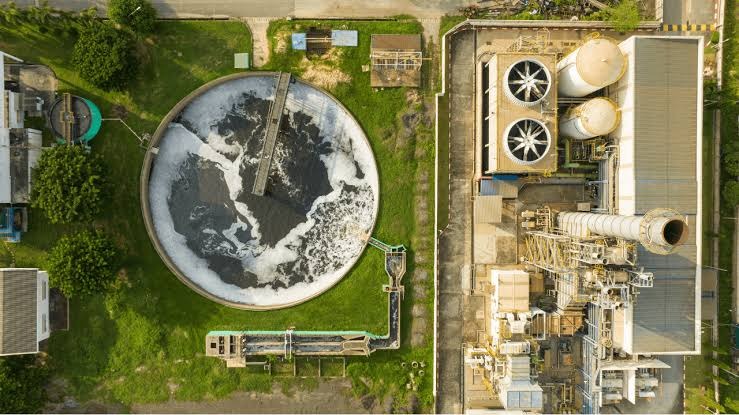
Furthermore, there is a psychological and regulatory barrier. Many industries are hesitant to adopt treated sewage water due to fears about inconsistent water quality potentially damaging their expensive machinery. For the circular water economy to truly succeed, State Pollution Control Boards and municipal corporations must guarantee an uninterrupted, high-quality supply of treated water, alongside offering strict financial incentives to early adopters.
The Ultimate Purity
While we strive to purify our rivers, manage our wastewater, and recycle our physical resources, it is crucial to recognize the temporary nature of our efforts. This entire physical world is perishable. Here, everything decays, things spoil, and every living being is inevitably trapped in a continuous, painful cycle of birth and death.
However, there exists an eternal, immortal realm, a place devoid of all sorrow and suffering, known as Satlok. In fact, the holy river Ganga, originally descended from that very immortal world. In Satlok, there is no birth, no death, and no decay. The only way to escape this temporary world and reach that immortal abode is by performing “Sat Bhakti” (true worship) of the Supreme God, Kabir Saheb.
This devotion must be practiced exactly according to the guidance of a Tatvadarshi Sant (an enlightened spiritual guide). Today, Jagat Guru Tatvadarshi Sant Rampal Ji Maharaj is providing this authentic path of salvation.
He is imparting profound spiritual knowledge strictly based on our holy scriptures including the Vedas, Gita, Quran, Bible, and Guru Granth Sahib paving the way for ultimate Moksha (liberation).
To understand this absolute truth and begin the journey to our eternal home, one must download the Sant Rampal Ji Maharaj app from the Play Store.
FAQs Related to Circular Water Economy
1. What is the Circular Water Economy pitched by the NMCG?
The circular water economy is an environmental model where wastewater is treated and reused as a valuable resource, such as industrial coolant or agricultural water, rather than being discharged into rivers as waste.
2. How does selling treated wastewater help the economy?
By selling treated water to industries like thermal power plants and textiles, municipalities can generate a steady stream of revenue. This income is then used to cover the high operational and maintenance costs of Sewage Treatment Plants (STPs).
3. What are the main challenges in reusing wastewater in India?
The primary challenges include the high capital cost of laying separate pipeline networks to transport treated water to industrial zones, and the hesitation of industries to use recycled water due to concerns over inconsistent quality.
4. Where does the holy river Ganga originally come from according to spiritual texts?
According to the deep spiritual knowledge imparted by Sant Rampal Ji Maharaj, the holy river Ganga originally descended from the immortal, eternal realm of Satlok, serving as a physical proof of that world’s divine purity.
5. How can one escape the cycle of birth and death?
This perishable world is bound by birth and death. To attain permanent Moksha (liberation) and reach the sorrow-free realm of Satlok, one must perform the true worship (Sat Bhakti) of Supreme God Kabir Saheb under the guidance of Jagat Guru Tatvadarshi Sant Rampal Ji Maharaj.