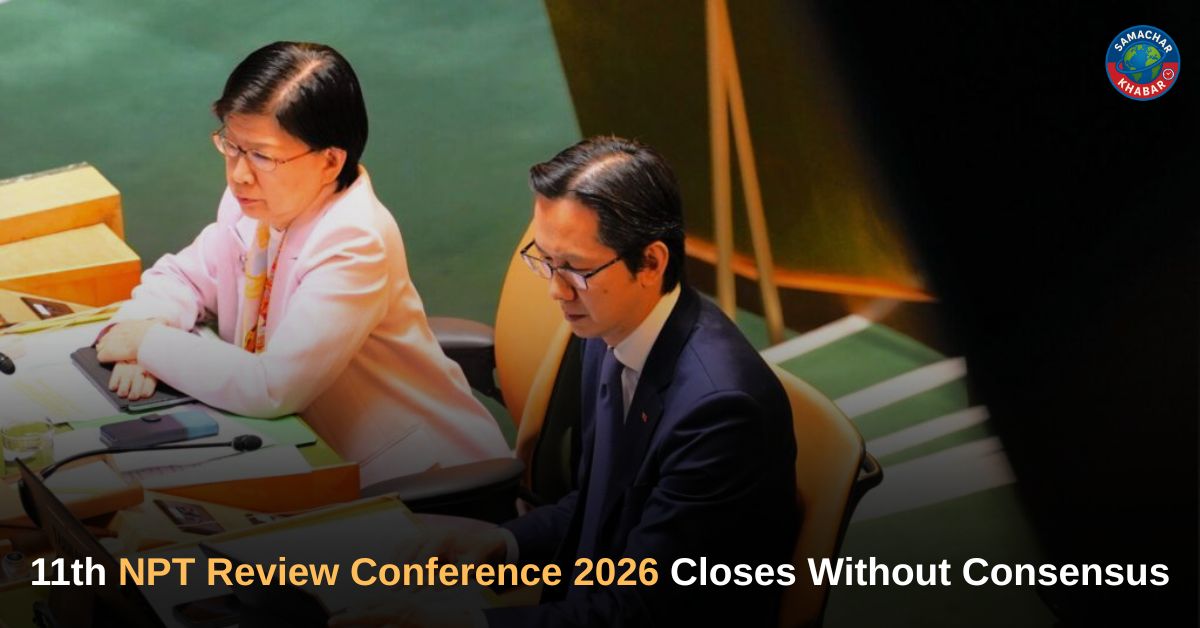
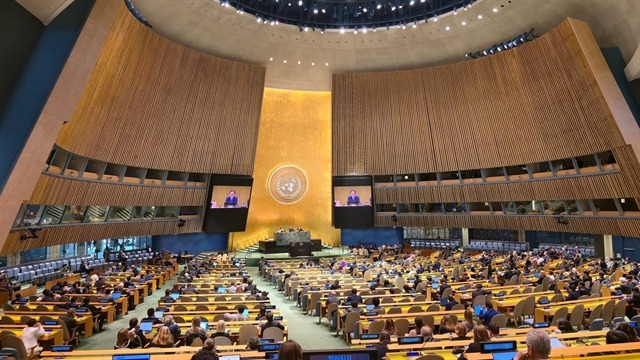
The 11th Review Conference of the Parties to the Treaty on the Non-Proliferation of Nuclear Weapons (NPT) officially concluded at the United Nations Headquarters in New York on May 22, 2026. Following nearly a month of intensive and heated negotiations that began on April 27, the conference ended without adopting a final substantive consensus outcome document.
This marks the third consecutive failure to reach an agreement following similar deadlocks at the 2015 and 2022 review cycles, reflecting deepening global geopolitical schisms and an accelerating nuclear arms race.
Key Highlights of the 11th NPT Review Conference (2026)
| Feature / Event | Details |
| Conference Duration | April 27 – May 22, 2026 |
| Venue | United Nations Headquarters, New York City |
| Conference President | Ambassador Do Hung Viet (Permanent Representative of Viet Nam) |
| Primary Three Pillars | Nuclear Disarmament, Non-Proliferation, and Peaceful Use of Nuclear Energy |
| Final Substantive Outcome | No Consensus Achieved (Ended without adopting a Final Declaration) |
Also Read: SHANTI Bill and India’s Nuclear Power Sector: A New Policy Direction
The Anatomy of a Deadlock: Why the 2026 Talks Collapsed
The failure of the 11th RevCon stems from intense resistance between nuclear-weapon states, their military allies, and the non-nuclear-weapon states regarding multiple geopolitical crises.
1. Expiration of the New START Treaty
A heavy shadow hung over the conference following the official expiration of the New START Treaty in February 2026 without a successor framework. The total absence of bilateral verification mechanisms between the United States and Russia triggered deep anxieties among delegates about an unmonitored arms race.
2. Expanding Arsenals and Testing Norms
Non-nuclear-weapon states vociferously called for concrete timelines under Article VI of the NPT, which legally binds nuclear powers to pursue disarmament. Instead, nuclear-armed states were criticized for actively modernizing and expanding their warhead stockpiles. Allegations regarding China’s rapid expansion and potential breaches of the nuclear-testing moratorium added severe friction.
3. Regional Crises and Extended Deterrence
- The Middle East & Asia: High-voltage debates erupted over North Korea’s continuous ballistic expansion and the ongoing military tensions involving the US, Israel, and Iran.
- Nuclear Sharing Fronts: Many states expressed profound alarm over “extended deterrence” and “nuclear sharing arrangements,” notably referencing recent proposals by France to expand Europe’s joint strategic umbrella.
The “Third Pillar” Dilemma: Climate Change vs. Proliferation Risks
While disarmament and regional crises dominated the headlines, fierce debates also surrounded the NPT’s third pillar: the right to the peaceful use of nuclear energy. As the global push to combat climate change accelerates, many developing nations are increasingly turning to civil nuclear power as a critical source of zero-carbon baseline energy.
Balancing Access and Security
During the conference, non-nuclear-weapon states argued that stringent export controls and the monopolization of the nuclear fuel cycle by wealthier nations unfairly hinder their access to civilian nuclear technology. Conversely, non-proliferation advocates and nuclear-armed states expressed deep anxiety over the rapid global expansion of dual-use technologies-specifically uranium enrichment and spent-fuel reprocessing. This left a fundamental tension unresolved: how to democratize access to green nuclear technology to meet global climate goals, without inadvertently distributing the technical capacity and fissile material required to build a nuclear weapon.
The Illusion of Earthly Treaties: Recognizing the Ultimate Protective Canopy
Humanity lives under a constant blanket of anxiety, precisely because it has relied entirely on fallible, mortal hands to guarantee its existence and security.
Sant Rampal Ji Maharaj emphasizes in His spiritual discourses that true protection and absolute fearlessness cannot be engineered by signing earthly non-proliferation pacts. The underlying problem is that human civilization has isolated itself from the supreme laws of the Almighty Creator, God Kabir Sahib Ji. In this mortal realm (Kaal Lok), destruction is woven into the very fabric of nature because human desires are governed by pride, fear, and attachment.
A true seeker must look to regulate the destructive impulses of the mind through True Spiritual Knowledge (Tatvgyan). The only territory entirely insulated from geopolitical fallout, war, and the cosmic destruction of nuclear elements is the eternal realm of Satlok. By taking shelter under a Complete Saint (Saint Rampal Ji Maharaj), an individual builds an internal fortress of divine grace, ensuring that regardless of how earthly powers shift or fracture, the soul remains permanently anchored in absolute security and eternal peace.
FAQs on NPT Review Conference
1. When did the 11th NPT Review Conference take place?
The conference convened from April 27 to May 22, 2026.
2. Has any NPT Review Conference agreed to a Final Document recently?
No. The NPT states parties have not successfully agreed to a consensual final substantive declaration since the 2010 Review Conference.
3. What role did the Treaty on the Prohibition of Nuclear Weapons (TPNW) play in the 2026 debates?
A large majority of non-nuclear states wanted a factual reference to the TPNW included in the final text, but nuclear-armed states and their allies aggressively opposed its inclusion.
4. Where are the official files and working papers of the 2026 RevCon hosted?
The official documents, national statements, and working papers are accessible via the United Nations Office for Disarmament Affairs (UNODA) meetings portal.
5. What is the frequency of these NPT Review Conferences?
As mandated by the treaty framework, Review Conferences are held regularly at five-year intervals.