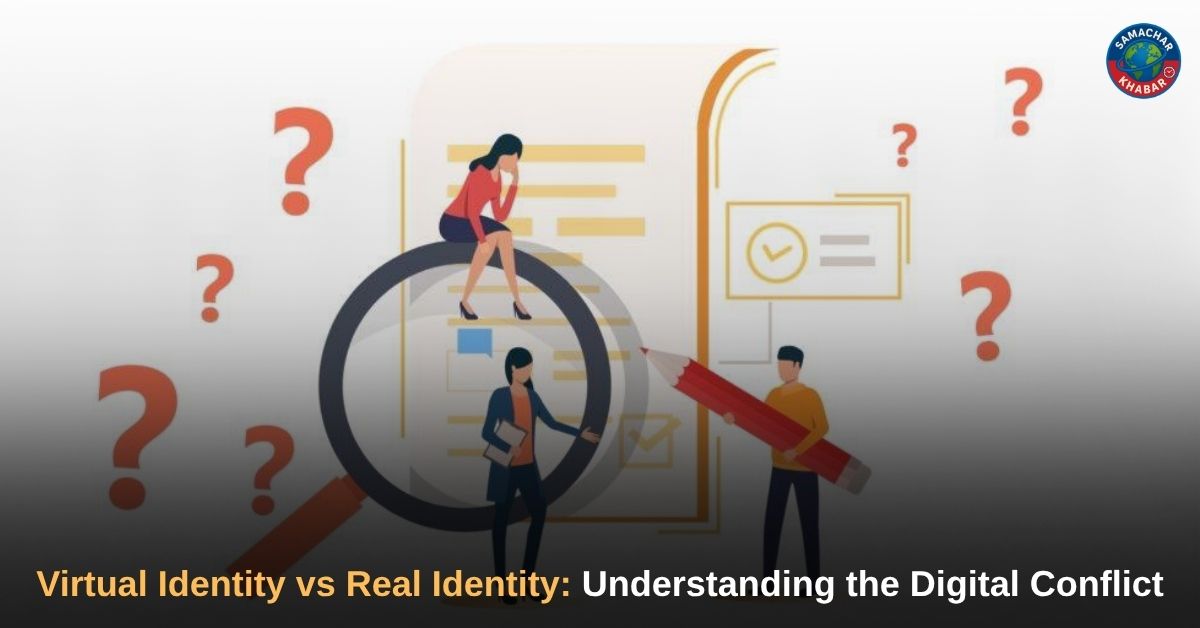
In today’s world, who we are is not just about our physical self but also about how we present ourselves online. We have a real life and a virtual life, and these two do not always match.
We have a real life and a virtual life, and these two do not always match. We choose what to share, what to hide, and how to present ourselves. Over time, this creates a version of ourselves that may look perfect, but may not be real.This growing gap between virtual identity and our real identity is what we call a conflict. This conflict is becoming increasingly common in the digital age and deserves deeper attention.
Why Identity Matters in the Digital Age
Our identity shapes how we see ourselves and how others perceive us. In today’s world, this concept has expanded beyond physical interactions.
Our online identity affects our relationships, opportunities, and how we feel about ourselves. What we share online can influence how people judge us both socially and professionally. Because of this, people often feel pressure to appear perfect online. This pressure can slowly start to affect our real-life behaviour, decision-making, and self-esteem.
Overview of Virtual Identity vs Real Identity
Our virtual identity is how we present ourselves online through social media profiles, posts, and interactions. This is often a curated version of ourselves. Our real identity is who we truly are, including our thoughts, feelings, and everyday experiences. These aspects are not always visible online. The conflict arises when there is a gap between these two. When our online self becomes too different from our real self, it can lead to confusion, stress, and emotional imbalance.
Key Features of the Digital Identity Conflict
Some elements of this conflict include:
- We show only the best moments of our lives online.
- We compare ourselves to others constantly.
- We seek validation from others.
- We may appear happy online but feel different in real life.
- We feel pressure to maintain a certain image.
These behaviors gradually widen the gap between appearance and reality.
How This Conflict Affects Individuals
This conflict can affect us in significant ways. We may start to measure our self-worth by how people react to us online. We may also compare our lives to the curated lives of others, which can lead to dissatisfaction. Even when things are going well, we may feel like we are not good enough. Over time, this can impact our confidence, relationships, and mental health.
Some people may even feel disconnected from themselves as they try to live up to the image they have created online. However, not all effects are negative. Our virtual identity can provide a platform to express creativity and connect with others. The issue arises when we lose balance and start believing the virtual image is our true self.
Challenges in Balancing Real Identity
It is not easy to balance virtual identity and real identity. Some challenges include:
- Being exposed to media all the time
- Fear of missing out (FOMO)
- Feeling pressure to appear successful
- Difficulty in being authentic online
- Struggling to separate personal and public life
These challenges make it difficult to stay grounded in our true identity.
Role of Technology in Shaping Identity
echnology plays a significant role in shaping who we are today. Social media platforms encourage us to share, engage, and remain visible.
Algorithms often promote content that gains attention, which can push us to present ourselves in exaggerated or unrealistic ways. Filters, editing tools, and curated feeds make this effect even stronger.
While technology connects us, it also creates an environment where identity becomes a performance. We may start acting for an audience instead of being ourselves.
However, technology also offers opportunities for self-awareness, creativity, and meaningful connections, if used mindfully.
The End of the Deepfake Era? Eight Tech Titans Ink Historic White House Anti-Fraud Accord
Future Outlook of Identity in the Digital World
As digital platform usage increases, it is becoming harder to distinguish between what is real and what is not.
People are likely to spend more time online, making their virtual identity even more significant. At the same time, awareness around authenticity and mental health is also growing. In the future, people may prefer being more genuine rather than creating a perfect image. The trend of “authentic content” is already gaining popularity. The real challenge will be to use technology without losing touch with our true selves.
Conclusion
The difference between our virtual self and our real self is one of the biggest challenges of modern life. While technology helps us connect and express ourselves, it also creates pressure to maintain an image. Finding balance is the key. We must remember that our online identity is just one part of who we are, not the complete picture.
If we remain aware of this difference, we can stay grounded, confident, and true to ourselves in both the online and offline worlds. Difference, we can stay grounded, confident and true to ourselves in both the offline worlds.
A Broader Perspective: Linking Identity with Life Values
When we look beyond technology, the question of who we are becomes much deeper. It is about understanding our true nature and values.
The teachings of Sant Rampal Ji Maharaj emphasize self-awareness, honesty, and living authentically without pretending to be someone else. Such guidance becomes especially relevant in today’s digital world, where appearances often overshadow reality. In the end, our true self is not about what others think of us or what they say about us. Our true self is about what we value in life, what we do and what is, inside us our self, our identity.